Overview of the February 2027 Full Moon
The February full moon is a bright event in the night sky. To better prepare for the unique celestial occurrences in early 2027, you can explore how to track the upcoming lunar phases by checking out details that include the January full moon by visiting how to follow the January 2027 full moon’s schedule and characteristics. In 2027, the February full moon is especially notable because it coincides with a penumbral lunar eclipse, attracting many viewers across Europe and beyond. Understanding the timing and features helps to enjoy the experience fully.
The moon gives us clues about the universe and the way the Earth and moon move. Each full moon marks the middle of a lunar cycle, making it important for calendars and nature.
Date and Exact Timing
Full Moon on February 20, 2027
The full moon will be on February 20, 2027. This is the day when the moon looks fully round and bright.
This date is confirmed by many moon calendars, including the one from the Catalina Sky Survey, showing the exact moon phases across February 2027.
Time in Europe/London Time Zone
This full moon reaches its peak brightness at 04:56 AM local time in the Europe/London zone. That means the moon is at 100% illumination at this time.
Knowing this helps observers plan when to watch the moon rise or set on February 20. The moonrise will be in the early evening, offering a beautiful view.
Moon Phase Characteristics
100% Illumination during Full Moon
At the full moon, the moon’s surface is lit by the sun completely, and if you’re interested in learning more about the specific timing and details, you can explore the comprehensive guide that explains the full moon’s brightness and phases in February 2027 by visiting how to understand the full moon illumination and timing in February 2027. This means it shines at 100% illumination, making it the brightest phase. The brightness helps with night visibility and inspires many cultures worldwide.
The full moon also influences tides and sometimes impacts animal behavior, showing how connected Earth is to its satellite.
Moon Age and Visibility
On February 20, the moon age will be 14.77 days. This means it is near the middle of its 29.5-day cycle between new moon and new moon again.
The moon will appear large and clear in the sky. Its visibility reaches nearly 100%, brightening the night and providing a perfect time for stargazing.
For those wanting to track moon phases across the year, this link to the Griffith Observatory’s calendar is helpful.
Lunar Eclipse during the February Full Moon
Penumbral Lunar Eclipse Details
Occurrence at Descending Node
The February 2027 full moon also comes with a penumbral lunar eclipse. This eclipse happens when the moon passes through the Earth’s penumbra, the lighter shadow area.
This event occurs at the moon’s descending node, where the moon crosses the Earth’s orbital plane going south. This precise alignment causes the eclipse.
Umbra Magnitude Explained
The moon only weakly enters the Earth’s penumbra, so the umbra magnitude is low. That means the darker inner shadow does not cover the moon fully.
Because of this, the eclipse causes a subtle shading, rather than a deep dark shadow. It requires a careful eye or instruments to notice the change.
Visibility and Impact of Eclipse
Effect on Moon Brightness
During the penumbral eclipse, the moon’s brightness dims slightly. This changes the usual full moon glow by a small degree.
Some places experience a delicate shading on the moon’s surface. This effect is unique and can be a rare sight for many viewers.
Viewing Locations and Timing
The penumbral eclipse is visible mainly in Europe, parts of Africa, and western Asia. Observers in London can see part or most of this eclipse, depending on weather.
The eclipse begins just before midnight on February 19 and ends in the early hours of February 20 in local time. This timing makes it suited for late night watchers.
For the best chance to see it, find a clear spot with open sky and no city lights nearby.
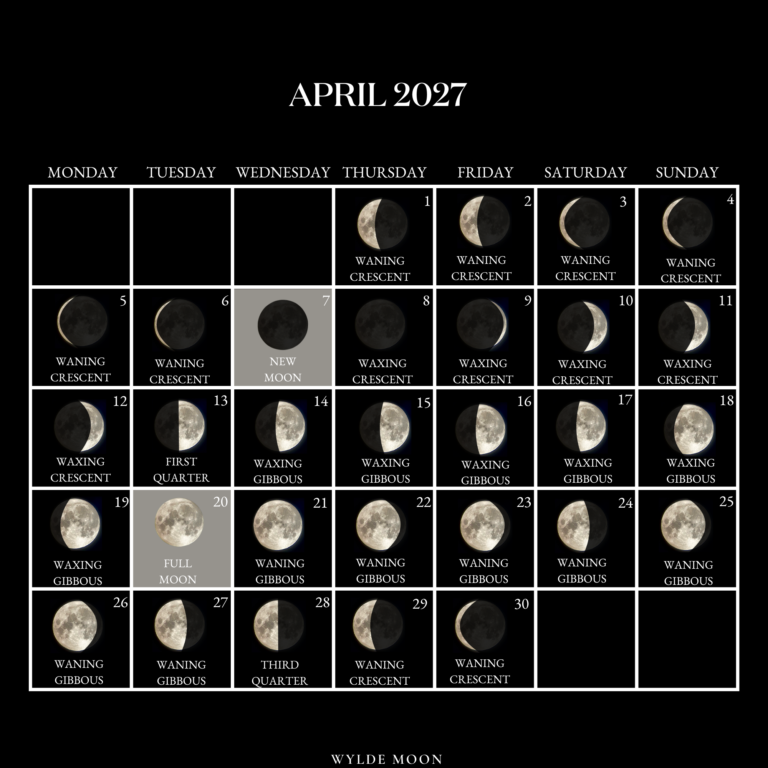
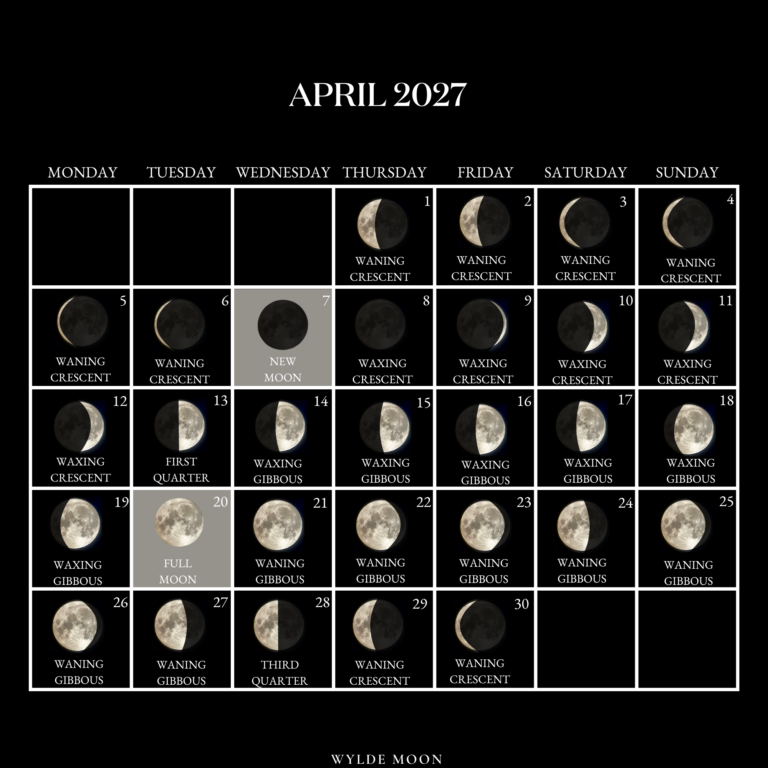
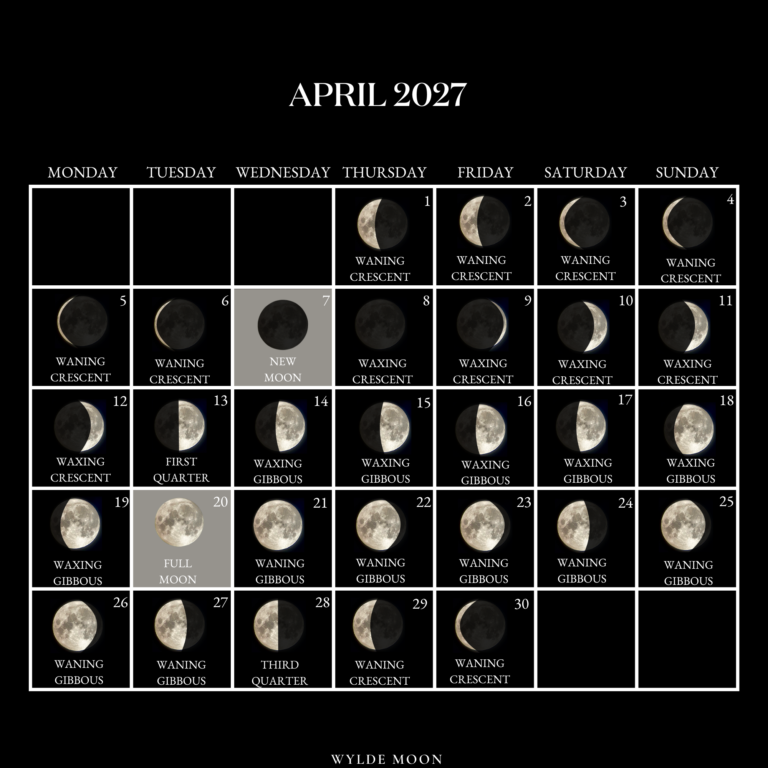
This detailed schedule of the full moon and eclipse can help plan your observation: Moon Calendar February 2027.
February 2027 Moon Phases Schedule
Waxing Moon Phase in February
Before the full moon on February 20, the moon grows larger each night. This is the waxing moon phase. It starts after a new moon and ends at a full moon.
During this time, the moon shifts from a thin crescent into a bright circle. This growth is easy to spot in the night sky.
Waning Gibbous Following Full Moon
After February 20, the moon enters the waning gibbous phase. The moon still looks large but starts shrinking.
This phase lasts about a week as the moon slowly moves toward the last quarter.
Third Quarter Moon End of February
The third quarter moon happens near the end of February on the 27th or 28th. Here, the moon looks half-illuminated again but is shrinking.
This phase signals the end of the lunar cycle and prepares for the next new moon.
Check the monthly moon phase plan for 2027 to see exact dates and times for each phase.
For those curious about when the next significant lunar event will occur, you might wonder how to find detailed information about the full moon in November 2027. Exploring where can you discover the exact timing and phases of the November 2027 full moon offers valuable insights for planning moonlit activities or understanding its astrological significance.
| Moon Phase | Date | Visibility % |
|---|---|---|
| Waxing Crescent | Feb 1 – 9 | 0% – 49% |
| First Quarter | Feb 10 | 50% |
| Waxing Gibbous | Feb 11 – 19 | 51% – 99% |
| Full Moon | Feb 20 | 100% |
| Waning Gibbous | Feb 21 – 26 | 99% – 51% |
| Third Quarter | Feb 27 | 50% |
| Waning Crescent | Feb 28 – 29 | 49% – 1% |
This table helps to track how the moon changes every week in February 2027.
For moon watchers who want a full view of month phases, the precisely timed new moon details in February support planning.
Similarly, noting the earlier lunar cycle helps see this phase better, such as reading about the January 2027 full moon timing.
Astronomical Context of the February Full Moon
Moon’s Position in Constellation Leo
On the day of the full moon, the moon will be in the constellation Leo. This means it appears near Leo’s star group in the sky.
The strong light from the full moon brightens Leo’s stars, making it a great time for learning star patterns as well.
Moon Distance from Earth
February’s full moon will be about 369,600 kilometers from Earth. This distance is a bit more than average, so the moon looks normal in size, but not very close.
Moon distance affects how big it looks and how bright it shines.
| Moon Event | Distance (km) | Effect |
|---|---|---|
| Perigee (Closest) | 356,400 | Largest apparent size |
| Average Distance | 384,400 | Normal size and brightness |
| Apogee (Farthest) | 406,700 | Smallest apparent size |
By checking the moon’s distance, astronomers know when to expect larger or smaller moons to appear.
Moon Orbit and Nodes
The moon’s path crosses Earth’s orbital plane at points called nodes. The descending node is where it crosses south.
The February 2027 eclipse happens at this node. Understanding nodes helps predict eclipses and moon phases.
Tracking these helps space watchers plan their viewing using detailed lunar calendars and scientific data.
For further information on the moon’s change during the year, readers can explore comprehensive schedules similar to other months, like the detailed information available for the December 2027 lunar events.
Also, comparing February’s full moon to later months such as the November 2027 full moon’s characteristics shows how the moon changes throughout the year.
| Feature | February 2027 | November 2027 |
|---|---|---|
| Moon Constellation | Leo | Taurus |
| Full Moon Illumination | 100% | 100% |
| Lunar Eclipse Type | Penumbral | None |
| Moon Distance (km) | 369,600 | 365,200 |
| Moon Phase Timing | Early Morning UTC | Late Night UTC |
This comparison helps in understanding the moon’s rhythm across seasons.
In brief, the February 2027 full moon is an excellent event for sky watchers with its eclipse and clear phase changes. Watching it broadens our view of the sky’s natural rhythms.
Prepare ahead by using trustworthy lunar calendars and moon phase schedules like those from recognized observatories and moon tracking sites.
Enjoy the lunar spectacle safely and share this celestial beauty with friends and family for a memorable stargazing experience.
Frequently Asked Questions
What date is the full moon in February 2027?
The full moon in February 2027 occurs on February 20.
Does February have two full moons?
No, February 2027 only has one full moon on February 20.
Is February 28 a full moon?
No, February 28, 2027 is not a full moon day.
How many full moons will there be in 2027?
There will be 12 full moons throughout the year 2027.
When is the next full moon after February 2027?
The next full moon following February 2027 will be in March, around March 21.

Philip Kowalski Is A Savvy Web Builder And Local Seo Aficionado Dedicated To Helping Users Navigate The Annual Chaos. With A Unique Flair For Design And Optimization, He Transforms Ideas Into Engaging Digital Experiences. Join Him On A Journey To Elevate Productivity With Expertly Crafted Printables.