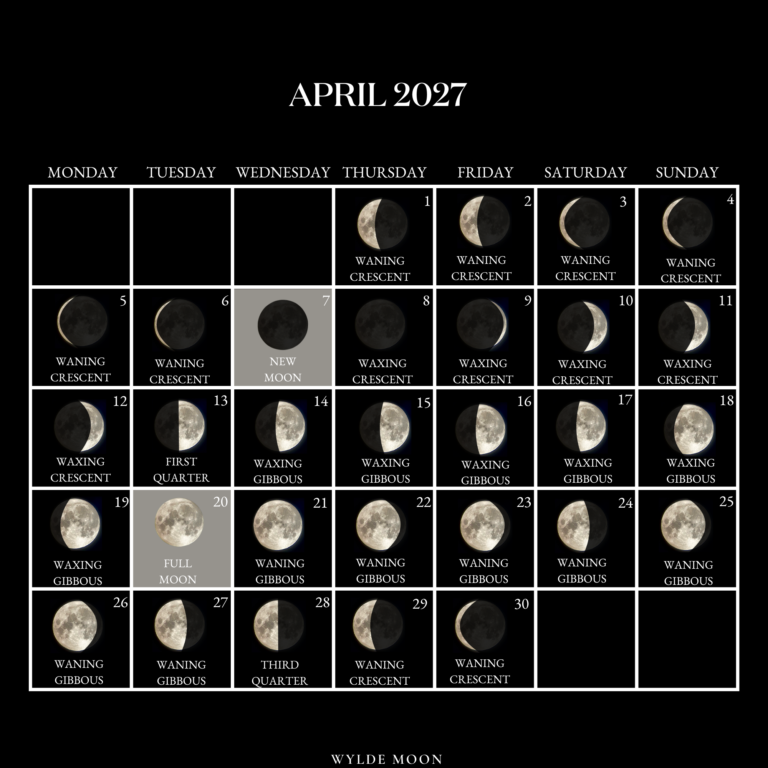
Overview of the New Moon February 2027
The New Moon February 2027 falls on February 6. This is when the Moon moves between the Earth and Sun, hiding its bright side from us. The new moon phase starts a fresh lunar cycle that lasts about 29 days.
During this phase, the sky is darkest because the moonlight is absent. People often watch for new beginnings and fresh energy around this time in both science and astrology.
Date and Timing Details
The new moon happens exactly on February 6, 2027. At this time, the moon and sun align close in the sky. The exact timing is around midday UTC, meaning people in different parts of the world see it occur at different hours.
This moment also marks the start of the moon’s waxing crescent phase that follows the new moon. This early phase shows a thin lighted curve on the moon’s right side.
Definition of New Moon Phase
A new moon is the moon phase when the moon is between Earth and Sun. It is the first phase of the moon cycle. The side of the moon facing Earth is dark, so it can hardly be seen.
This phase is important because it signals renewal and setting intentions in many cultures. The lunar cycle, or phases, grow in light after the new moon.
Learn more about the prior month’s moon cycle including details of the January phase from this link about lunar phases in January 2027.
The Annular Solar Eclipse on February 6, 2027
What is an Annular Solar Eclipse?
An annular solar eclipse occurs when the moon covers the center of the sun, leaving a bright ring, called a ‘ring of fire’. This happens because the moon is a bit farther from Earth, making it appear smaller than the sun.
This is different from a total eclipse where the sun is fully blocked. During annular eclipses, the sun’s edges shine as a thin ring around the moon’s silhouette.
Connection to New Moon Phase
The annular solar eclipse always happens during a new moon. This is because the moon must be between Earth and the sun to block the sun’s light. February 6, 2027, is special as the new moon lines up perfectly to create this event.
It’s a rare moment since solar eclipses do not happen at every new moon. The two events combined bring a powerful astronomical and astrological moment.
Visibility and Viewing Areas
The eclipse path crosses parts of southern South America and the South Atlantic. People in these regions will best see the ring of fire with the right solar glasses.
Other areas outside this path will see a partial eclipse where the moon covers part of the sun. Careful viewing is needed to avoid eye damage.
For more details about moon phases throughout February, check the February 2027 moon calendar.
Phases of the Moon in February 2027
New Moon on February 6
As noted, the new moon on February 6 starts the lunar month. The moon’s brightness resets to zero and is not seen at night. This day also hosts the annular solar eclipse.
This makes February 6 very special and astronomers pay close attention to moonrise and moonset times that day, important for viewing the eclipse safely.
Waxing and Waning Crescent Phases
After the new moon, the moon brightens in the waxing crescent phase. This is when a small sliver of light appears and grows toward the first quarter moon.
Following the full moon on February 20, the moon then moves to waning phases as the light shrinks back to new moon again.
Moon phases names in 2027 include all standard phases such as new moon, waxing crescent, first quarter, waxing gibbous, full moon, waning gibbous, last quarter, and waning crescent.
Full Moon on February 20
The full moon for February is on the 20th. It is called the New Snow Moon for its timing in deep winter weather. The full moon shines bright, with the entire face illuminated.
It is a good time for moon observation because the moonrise and moonset times make it highly visible for most people.
Explore how the full moon shines in February compared to January’s fuller moon details found in this link about the moon phase in January 2027.
| Moon Phase | Date | Description |
|---|---|---|
| New Moon | February 6 | Moon is dark, starts new cycle |
| Waxing Crescent | February 7-13 | Moon light grows narrowly |
| Full Moon | February 20 | Moon fully lit and bright |
Moon phases progress steadily through February. This table helps track the main phase milestones and their key features.
Astronomical Context for February 2027 Moon Phases
Moon in the Constellation Capricornus
In February 2027, the Moon passes through the constellation Capricornus. This is a star group in the zodiac linked often to discipline and hard work in astrology.
This star position gives unique views for astronomers observing the moon’s path. Capricornus’ stars are faint but form a shape that the Moon crosses during its monthly orbit.
Astrologers see this lunar path as important for influences affecting goals and persistence.
Moon Distance from Earth
The moon’s distance from Earth in February 2027 changes slightly. Around the new moon, it will be relatively farther which causes the annular eclipse instead of a total eclipse.
Moon distance affects the size and brightness of the moon as viewed from Earth. Closer means brighter and larger looking.
For those curious about celestial events, you might wonder when exactly the first new moon of the year will occur and how it could impact your plans. To find out when the new moon takes place in early 2027 and what significance it holds, consider exploring what dates are expected for the January 2027 new moon and why it matters for various activities and traditions.
For those interested in celestial events, understanding how the moon will appear throughout March 2027 can be quite fascinating. If you’re wondering what the lunar cycle looks like during that month and how it might affect nighttime visibility or tidal patterns, you might find it helpful to explore the detailed schedule available in this resource that asks, what should we expect from the moon’s phases in March 2027?
This changing distance is a natural part of the moon’s elliptical orbit. Observers can track these changes to predict the moon luminosity phases better.
| Date | Distance (km) | Moon Phase |
|---|---|---|
| Feb 6 | 405,500 | New Moon with eclipse |
| Feb 20 | 361,800 | Full Moon |
This table shows the moon distance on key February dates, important for understanding eclipse shape and brightness.
To learn more details about lunar phase predictions, you can visit the expert phases calendar by the Griffith Observatory’s detailed guide.
Cultural and Astrological Significance
Meaning of the New Snow Moon
The full moon in February is often called the New Snow Moon. It symbolizes strength and hope during winter. Many Native American and traditional cultures named moons to mark seasons and events.
This moon often represents endurance as it comes when snowfall is heavy. It reminds people to prepare for growth in the coming spring.
Influence of Moon Phases on Astrology
Moon phases impact emotions and decisions in astrology. The new moon is a time to set intentions and start plans. The full moon is often linked to fulfillment and clarity.
In 2027, the moon in Capricornus strengthens themes of discipline. The waxing crescent after the new moon encourages growth and new efforts.
| Moon Phase | Astrological Meaning |
|---|---|
| New Moon | New starts, fresh ideas |
| Waxing Crescent | Growing energy, action |
| Full Moon | Completion, clarity |
| Waning Crescent | Reflection, rest |
This table summarizes common astrology meanings for moon phases as they apply in February 2027.
Observing the New Moon and Eclipse
Best Times for Moon Observation
The best time to observe the new moon phase and related eclipse is just before and after February 6. The waxing crescent moon will be visible after sunset shortly following the new moon.
Moonrise and moonset times in 2027 vary by location. Observers review these times to find the window for clear viewing. Nights around February 20 offer great views of the full moon.
For comprehensive moonrise and moonset info, reviewing the lunar calendar for February can help plan your observation nights.
Those interested can also find helpful moon phase timing details in the Catalina Sky Survey’s lunar calendar.
Safety Tips for Viewing Solar Eclipse
Viewing the solar eclipse safely is very important. Never look directly at the sun without proper eclipse glasses. Regular sunglasses do not protect your eyes enough.
Using a pinhole projector or specially made filters is recommended. Observers should always follow guidelines from trusted astronomy organizations.
Do not use cameras or telescopes without solar filters. Protecting your eyes ensures you enjoy the eclipse safely without harm.
Finally, for those tracking the lunar cycle, following the upcoming full moons and next key phases reminds you of the lunar calendar pace. February fits the rhythm beautifully with bright lunar displays after the new moon.
Discover the next month’s exciting moon events by exploring changes after this February lunar cycle at this link covering the following night sky phase in late February 2027.
Remember that each phase of the moon impacts nature and us differently. Paying attention to these cycles enriches your connection to the sky and helps you safely enjoy rare moments, such as February 6’s eclipse.
Embrace February’s New Moon and solar eclipse as a unique chance to see and reflect on the wonder of the universe in 2027. 🚀
Frequently Asked Questions
What is the Moon like in February 2027?
In February 2027, the Moon shows typical phases with a new moon on February 6 and a full moon on February 20. It moves through the constellation Capricornus and features special events like an annular solar eclipse on the new moon day.
What is the New Moon in February?
The New Moon in February is when the Moon is between Earth and the Sun. In 2027, it happens on February 6. This phase marks the start of a new lunar cycle and is when the Moon is mostly dark and not visible in the night sky.
What is special about the February full moon?
The February full moon of 2027, often called the New Snow Moon, lights the night fully on February 20. It is special because it comes after a deep winter period and is linked to new beginnings and strength in many cultures.
What are the dates of the full moon in 2027?
In 2027, the full moons occur on various dates, including February 20. Each full moon happens about once a month, marking the time the Moon is fully lit by the Sun.

Philip Kowalski Is A Savvy Web Builder And Local Seo Aficionado Dedicated To Helping Users Navigate The Annual Chaos. With A Unique Flair For Design And Optimization, He Transforms Ideas Into Engaging Digital Experiences. Join Him On A Journey To Elevate Productivity With Expertly Crafted Printables.