Introduction to September 2027 Full Moon
The Full Moon September 2027 shines brightest on one clear, special night. This event happens once a month when the moon is fully lit by the sun. In September 2027, the moon reaches this point on the 16th. People have watched full moons for thousands of years.
This full moon is important in many ways. It marks a time to reflect and celebrate changes in nature as summer ends and fall begins. Its bright glow lights up the night sky for most places on Earth and creates a peaceful scene.
Key Date of Full Moon
The full moon for September 2027 happens on September 16. This exact date means the moon will appear fully round and bright from sunset to sunrise in many parts of the world. The local viewing time depends on where you live and your time zone.
Knowing this date helps moon watchers and those who plan events around moonlight to prepare. The full moon’s rise and set times in September 2027 also guide those interested in night photography or moon observation.
Significance of Full Moon in September
September’s full moon is often called a harvest moon by some cultures. This name celebrates the time farmers gather crops before winter. The bright moonlight helps people work late into the night if needed.
In 2027, the full moon will be in the Pisces constellation. This gives it special meaning for astrology fans. Pisces is linked to dreams, intuition, and emotional deep thinking. Many feel that the September full moon brings calm energy for personal growth.
September 2027 Lunar Phases Overview
First Quarter – September 7
The lunar month starts to grow brighter as it reaches the first quarter phase on September 7. Half the moon will light up, showing a perfect half-circle shape. This phase helps mark the start of the journey toward the full moon.
Moon watchers can spot this phase rising in the afternoon and setting after midnight, offering good views in early evening hours.
Full Moon – September 16
The full moon peaks on September 16. The entire moon face will shine bright. The lunar illumination reaches 100%, lighting the sky beautifully throughout the night. This is when the moon is opposite the sun in the sky.
Exact timing and local time zones
The full moon exact timing, called lunar phase timing, is precise but varies slightly by location due to time zones. For example, in UTC, the full moon occurs at a specific moment on September 16, 2027. Different places like New York, London, or Tokyo will see it at different local times. Always check local moonrise and moonset times for your area.
Moon constellation Pisces details
The moon constellation Pisces 2027 serves as the backdrop for this full moon, and if you want to find out exactly when it will occur, you can check the detailed timing for the full moon in February 2027. Pisces is a gentle constellation symbolized by two fish swimming together, connecting with calm, empathy, and inspiration. Watching the full moon here may feel like a deep, peaceful experience.
Numerous people follow lunar calendars that mark these constellations for spiritual and agricultural reasons, enhancing the full moon’s meaning.
Third Quarter – September 23
Following the full moon, the moon moves to the third quarter phase on September 23. Here, half the moon is lit again but the light is shrinking. This phase is a sign the moon is moving toward the new moon phase.
You will see the moon rise late at night and set during the daytime. The waning gibbous phase fades into the third quarter, slowly decreasing moonlight each night.
New Moon – September 30
The new moon arrives on September 30. This is when the moon is between Earth and sun, and the side facing Earth is dark. New moons mark fresh starts in the lunar cycle and are great for setting new goals.
In late September your sky will be darkest, perfect for seeing stars and planets. Check out how September’s new moon compares to earlier new moons like the one discussed at this source about January 2027.
Understanding Moon Phases
What is a Full Moon?
A full moon happens when Earth is directly between the sun and the moon. The sun’s light fully shines on the moon’s surface that faces Earth. This is why the moon looks completely round and bright.
The full moon shows up about once every 29.5 days, which is the length of one lunar cycle or moon age. This cycle also includes new, first quarter, and third quarter phases as the moon orbits Earth.
Waning Gibbous Explained
After the full moon, the moon changes to a waning gibbous phase. ‘Waning’ means it is slowly getting less bright. Gibbous means the moon is more than half full but not completely full anymore.
This phase lasts for about a week before reaching the third quarter. The moon’s visible part shrinks each night during waning gibbous.
Moon watchers often enjoy this phase because it still gives a good amount of light during the evening hours.
Moon Visibility and Viewing Tips
Moonrise and Moonset Times in September
Moonrise time September 2027 moves later each night after the full moon. Before full moon, the moon rises before sunset; after, it rises after sunset.
In September, you can expect moonrise to happen around sunset on the 16th and get later by about 50 minutes daily. Moonset moves similarly, shifting through the night and early morning.
For city viewers, knowing moonrise and moonset September 2027 helps plan best viewing moments. You can also check online charts like the lunar calendar for September 2027.
Best Locations for Viewing the Full Moon
Clear skies, low light pollution, and open horizons are best to enjoy the full moon. Parks, countryside, and beaches offer wide views and less city glare. High places like hills or mountains make the moon appear larger near the horizon.
Many people enjoy the calm night outdoors during the full moon to connect with nature and meditate under its glow.
How weather affects moon visibility
Clouds, rain, and fog can hide the full moon completely. Clear, dry nights are best for seeing the moon well. Checking the weather forecast can help plan your viewing in advance.
Even in partly cloudy conditions, you might see the moon peek through the gaps, giving a dramatic effect.
The Lunar Cycle and Its Impact
How the Moon’s Distance Changes
The distance between the moon and Earth changes slightly each day. In September 2027, the moon’s distance swings between about 356,000 km and 406,000 km during the lunar cycle.
This affects how big and bright the moon looks. When the moon is closest, called perigee, it appears larger and brighter. The September 16 full moon is near this distance, making it quite noticeable.
Effects of the Moon’s Phases on Tides
The moon controls ocean tides due to its gravity. During full and new moons, tides are higher because the sun and moon’s gravity work together. These are called spring tides.
In September 2027, the full moon on the 16th will bring strong tides. This is important for fishermen, sailors, and coastal communities to know. Knowing lunar phase tides helps with safety and activity planning.
For a look at how lunar phases vary throughout 2027, you might like to explore details on the Griffith Observatory’s comprehensive 2027 moon phase calendar.
Every month, the moon offers a fresh view and mood. Planning around these cycles helps people connect with Earth’s natural rhythm.
| Phase | Date | Visibility |
|---|---|---|
| First Quarter | September 7 | Evening sky |
| Full Moon | September 16 | All night |
| Third Quarter | September 23 | Late night to morning |
| New Moon | September 30 | Not visible |
Tracking these phases helps predict the moon’s shape and light in the sky each night. The full moon on September 16 is the brightest and most noticeable.
Many observe the lunar phases alongside other yearly moon cycles, like the one in early 2027’s winter full moon for comparison.
| Date | Moonrise | Moonset |
|---|---|---|
| September 7 | 2:15 PM | 12:30 AM |
| September 16 (Full Moon) | 7:05 PM | 6:15 AM |
| September 23 | 11:00 PM | 10:30 AM |
| September 30 | 5:55 AM | 7:45 PM |
Moonrise and moonset times shift roughly by 50 minutes per day. These example times give a rough guide, but check your local timing for best accuracy.
The moon’s age in September 2027, showing how far along it is in its 29.5-day cycle, helps calculate these times too.
| Date | Moon Age (days) | Illumination (%) |
|---|---|---|
| September 7 (First Quarter) | 7.5 | 50% |
| September 16 (Full Moon) | 15.0 | 100% |
| September 23 (Third Quarter) | 22.5 | 50% |
| September 30 (New Moon) | 29.0 | 0% |
Knowing moon age and illumination helps amateur astronomers plan viewing and photography sessions better.
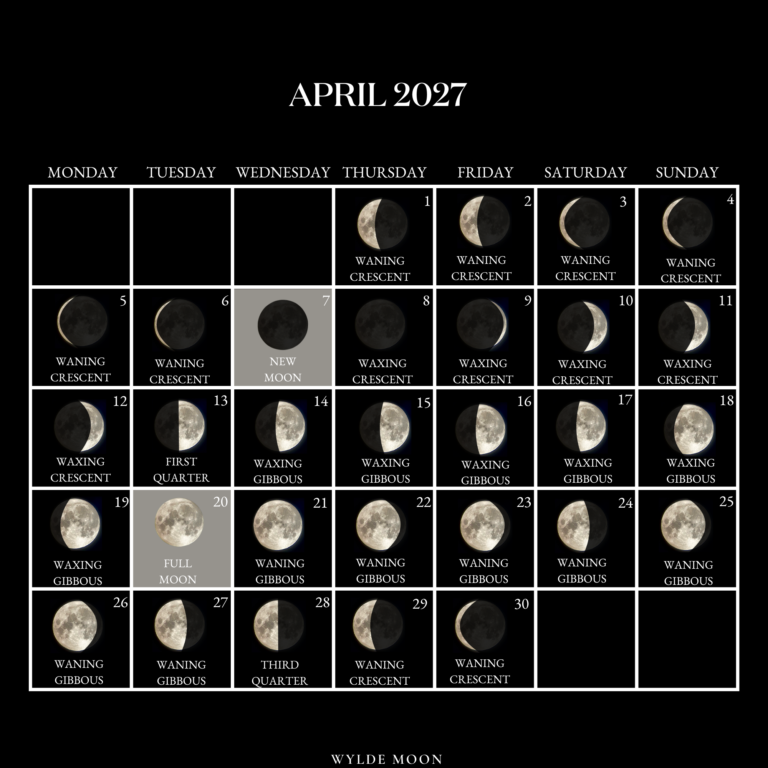
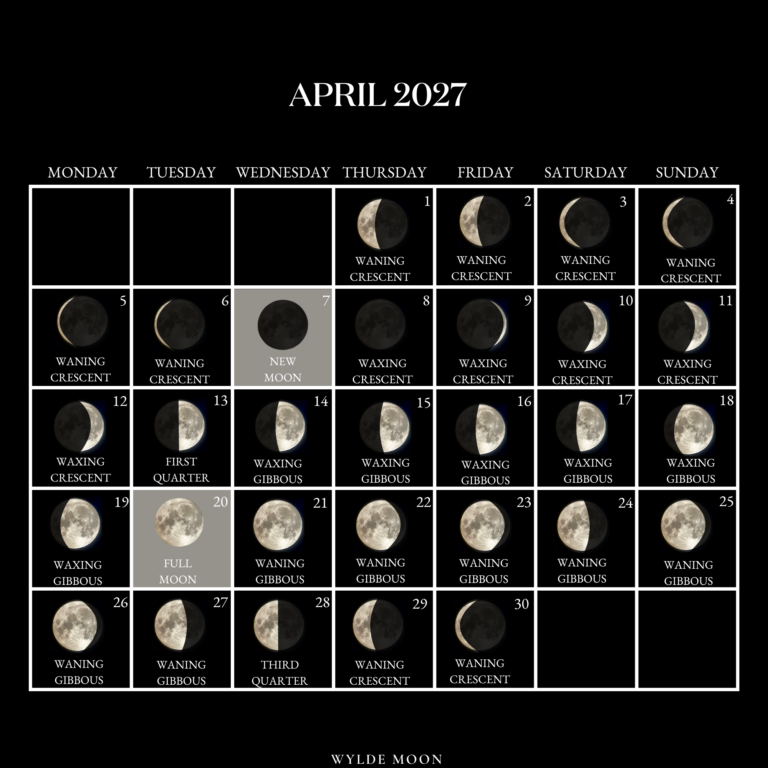
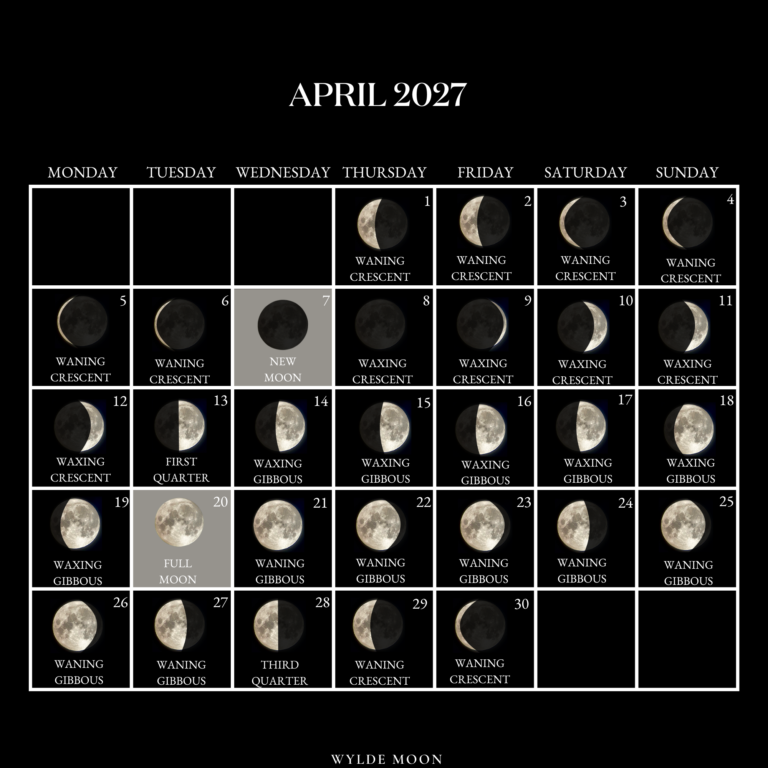
For those curious about how lunar events change across the year, the detailed April 2027 full moon article offers useful insights for another part of the lunar calendar.
Frequently Asked Questions
What are the full moon dates for 2027?
In 2027, full moons occur monthly, with key dates including January 3, February 1, March 3, April 2, May 2, June 1, July 1, July 31, August 30, September 16, October 29, November 28, and December 28.
What is special about September full moon?
The September full moon often highlights harvest season in many cultures. In 2027, it occurs in the Pisces constellation, adding a unique astrological significance linked to reflection and spirituality.
Is September 27 a full moon?
No, the full moon in September 2027 occurs on September 16. September 27 falls after the third quarter phase and before the next new moon at the end of the month.
Why are there two full moons this month?
Sometimes, a month can have two full moons if the lunar cycle aligns that way. This is called a ‘blue moon.’ In 2027, July has two full moons, but September does not.

Philip Kowalski Is A Savvy Web Builder And Local Seo Aficionado Dedicated To Helping Users Navigate The Annual Chaos. With A Unique Flair For Design And Optimization, He Transforms Ideas Into Engaging Digital Experiences. Join Him On A Journey To Elevate Productivity With Expertly Crafted Printables.