Overview of Hawaii Weather in January 2027
January in Hawaii is cool but pleasant. The islands experience mild temperatures with a balance between rain and sunshine. Travelers can expect changes depending on location and time of day. This month also marks one of the wetter seasons, although rain showers often pass quickly. Understanding the island’s typical January weather helps in planning outdoor activities.
The climate is influenced by Pacific Ocean currents and trade winds. Visitors should note that weather will vary by island and elevation. For 2027, experts predict stable patterns similar to past Januarys but with some below-normal temperature spells expected. For detailed forecasts, check the January climate data on reputable climate resources.
Typical Temperature Ranges
Daytime highs
The average daytime temperature in January hovers around 78°F to 82°F (25-28°C). These warm highs make it ideal for by-the-beach activities and sightseeing. However, the temperature can drop slightly when cloud cover or rain appears during the day.
Coastal zones tend to be warmer while inland and higher altitude areas may stay cooler during the day. This variability allows visitors to choose between beach warmth and mountain coolness. The trade winds usually keep the air fresh, preventing any lingering heat from being uncomfortable.
Nighttime lows
At night, temperatures drop to between 65°F and 70°F (18-21°C). The cooler nights give locals and visitors a break from the heat of the day. However, some spots especially on higher elevation or northern sides of the islands can feel chillier.
The temperature range between day and night is usually about 10 to 15 degrees Fahrenheit (5-8°C), making light jackets or sweaters useful after sunset. This mild change helps maintain comfort for sleeping and evening outdoor eating.
Rainfall and Humidity
Average rainy days
January ranks among the wetter months in Hawaii but rain showers tend to be short and scattered. On average, the islands see about 7 to 10 rainy days in January. Showers can be brief and localized, meaning one area may be wet while others stay dry and sunny.
Rainfall is heavier on the windward (usually northeast) sides of the islands, while leeward coasts remain drier with more sun. Visitors should expect some wet periods but also plenty of sunshine hours during the month.
Humidity levels
Humidity in January is moderate to high, often ranging from 60% to 80%. This level contributes to the feeling of warmth, especially in areas with less wind. The trade winds usually help to reduce humidity impact making it more comfortable for outdoor activities.
Visitors prone to humidity discomfort should plan day trips early or late in the day to avoid midday humidity peaks. Staying hydrated is important when humidity stays elevated.
Wind and Atmospheric Conditions
Wind speed and direction
Trade winds in January blow predominantly from the northeast. Average wind speeds span from 8 to 15 mph, with occasional gusts reaching higher. These winds keep temperatures mild and water conditions safer for swimmers and surfers.
For example, Honolulu wind statistics show typical speeds around 10 mph, steady but gentle. These conditions help cool the air and assist in dispersing clouds and rain showers.
Air pressure trends
Atmospheric pressure during January usually remains stable, ranging near 29.9 to 30.2 inHg. Stable pressure supports relatively calm weather patterns with no major storms expected. Sudden shifts in pressure might bring brief rain or wind changes.
New travelers may benefit from watching forecasts closely as pressure changes can affect ocean swell and wind conditions, important for planning water activities.
Water and Sea Conditions in January
Water temperature trends
Sea temperatures in January average about 76°F (24°C). This remains warm enough for most swimmers and snorkelers. Water can feel cooler in early January but generally warms through the month.
Water temperature is stable around most beaches but can vary slightly by island and wind exposure. The ocean’s warmth encourages visitors to enjoy long hours of water activities without discomfort.
Beach and ocean conditions
Beach conditions vary from calm near sheltered bays to moderate waves on open coasts. The trade winds help create surf ideal for beginners and experts alike. However, the north shore of certain islands can have rougher waves, so caution is advised.
The ocean breeze often cools the beach areas, balancing humid and warmer air temperatures on land. Swimming, snorkeling, and paddleboarding remain popular in January because of these pleasant ocean conditions.
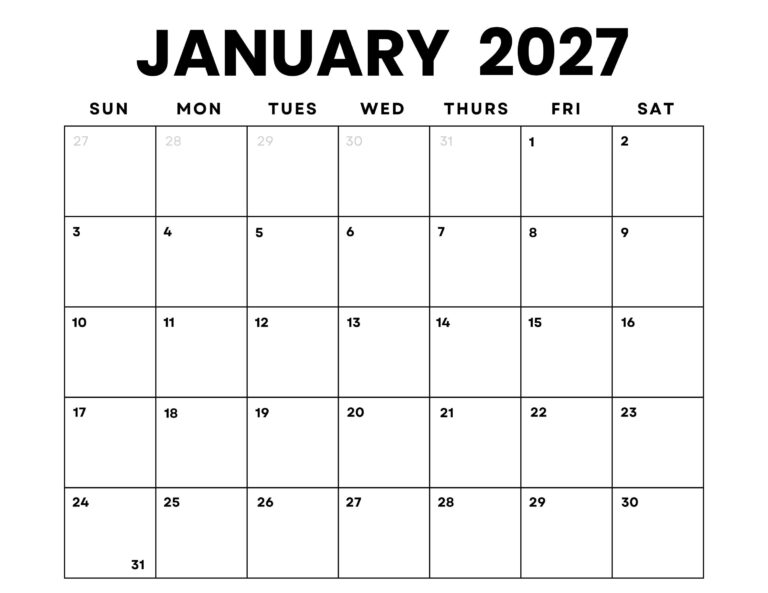
If you want to start planning your stay, exploring resources about monthly time can help you find the perfect travel windows similar to a monthly January 2027 schedule.
Regional Weather Variations Across Hawaii Islands
Weather on the Big Island
The Big Island shows strong contrasts in January. Rainfall is common on the windward Hilo side, while the Kona side stays mostly dry and sunny. Temperature varies with elevation, cooler in mountains and warmer along coastlines.
Visitors often enjoy sunny beaches near Kailua-Kona but find wetter hiking trails in the east. These differences make the Big Island unique for exploring diverse climates in one place.
Weather in Honolulu and Oahu
Honolulu and Oahu generally experience mild weather with fewer rain showers compared to windward sides. Daytime temperatures remain comfortable, and nighttime lows are warm relative to mainland winters.
Trade winds provide consistent breezes, making beach days enjoyable. Rainfall averages fewer days here, so tourists can expect more stable sunny weather overall.
Weather on Maui and Kauai
Maui’s western and southern coasts enjoy dry and sunny conditions, while northeastern sides catch more rain in January. Kauai is known as the wettest island but in January the showers come mostly on windward slopes and are interspersed with sun.
Both islands offer varied zones from wet forests to dry beaches. Travelers should pack for both sun and occasional rain especially if exploring inland or mountainous areas.
For travel planning with seasonal calendars, reading about climate month outlooks can help. Explore a thorough calendar that covers all months in 2027 before booking.
Are you wondering how to best organize your schedule for the start of 2027? Exploring options on where to find and how to use calendars specifically designed for January 2027 can streamline your planning process. For those asking what resources are available to help with this, you might find it helpful to see what calendars for January 2027 are available and how they can be customized to fit your personal or professional needs.
Travel Considerations for January Visitors
Best times for outdoor activities
Early mornings and late afternoons are best for outdoor activities in January. Temperatures are cooler, sun intensity is lower, and humidity is more comfortable. Midday can be warm and humid, especially inland.
Many visitors take advantage of sunny breaks after rain showers. Water sports, hiking, and sightseeing remain popular with proper timing to avoid the wettest periods.
Impact of rainfall on travel plans
Rainfall can affect travel but usually does not ruin plans. Shower breaks tend to be brief and localized. Travelers should prepare for sudden rain but also expect clear skies soon after.
Flexible schedules and checking the local weather forecast daily can maximize chances of good weather. Packing a light rain jacket is smart for quick showers.
Clothing and gear recommendations
Visitors should pack lightweight clothes that dry fast. A sweater or light jacket helps for cooler nights. Sun protection like hats and sunscreen is important on sunny days.
Water shoes and reef-safe sunscreen are useful for ocean activities. Having compact rain gear aids in moving quickly during showers. Planning ahead with layered clothing works best for January temperatures in Hawaii.
If you want a better understanding of weather patterns and travel timing, try to find out detailed date info like in a reliable June 2027 calendar example for context on seasonal changes.
Long-Term Weather Trends and Forecast for Early 2027
Below-normal temperature forecasts
Climate experts predict some below-normal temperatures in January 2027, especially at night and higher elevations. These drops are minor but noticeable compared to recent years.
The shifts reflect natural climate cycles and may bring slightly cooler mornings and evenings to the islands. Daytime temperatures will stay mostly steady near average.
Expected rainfall patterns
Rainfall is expected near typical January levels. Wettest areas remain on windward slopes, with drier conditions on leeward coasts. Some models suggest average or slightly above-average raindays.
This means visitors should prepare for shower breaks but still enjoy many dry and sunny periods. Consistent trade winds help to keep weather balanced.
Climate change influences
Hawaii’s climate continues changing slowly with increased ocean temperatures and variable rainfall patterns. Increased storms and rising sea levels remain concerns for long-term island health.
Current effects in January show stable but shifting weather with occasional extremes. Adaptation in travel planning and preserving natural environments helps minimize impact. Staying informed through NOAA and local climate centers is important for future visits.
For travelers looking to sync trips with weather trends, exploring available resources on seasonal planning is helpful—such as consulting a reliable March 2027 month overview to compare early-year conditions.
| Island | Average High (°F) | Average Low (°F) | Typical Rain Days |
|---|---|---|---|
| Big Island (Kona) | 81 | 68 | 6 |
| Big Island (Hilo) | 77 | 65 | 11 |
| Oahu (Honolulu) | 80 | 68 | 7 |
| Maui (Lahaina) | 79 | 67 | 7 |
| Kauai (Lihue) | 78 | 66 | 9 |
Knowing the daily weather range helps visitors prepare for comfortable stays. See how each island changes in January temperatures and rain frequency. You can also plan trips during the sunniest hours.
With these climates understood, travelers are better placed to enjoy Hawaii’s special January charm.
Frequently Asked Questions
Is it worth going to Hawaii in January?
Yes, January is a good time to visit Hawaii because the weather is mild and beautiful. There are some rain showers, but many sunny days make it ideal for outdoor fun and beach time.
What are the worst months to visit Hawaii weather?
The wettest months in Hawaii are usually November through March, with frequent rain showers. Some prefer to avoid these months due to higher humidity and chances of rain.
Is $1000 enough for a week in Hawaii?
A $1000 budget for a week in Hawaii can be tight but possible, especially if you plan carefully. Costs like lodging, food, and activities should be chosen wisely to stay within this budget.
Is it warm enough to swim in January in Hawaii?
Yes, the water stays fairly warm in January, around 76°F (24°C) on average, making swimming a pleasant experience for most visitors.

Philip Kowalski Is A Savvy Web Builder And Local Seo Aficionado Dedicated To Helping Users Navigate The Annual Chaos. With A Unique Flair For Design And Optimization, He Transforms Ideas Into Engaging Digital Experiences. Join Him On A Journey To Elevate Productivity With Expertly Crafted Printables.