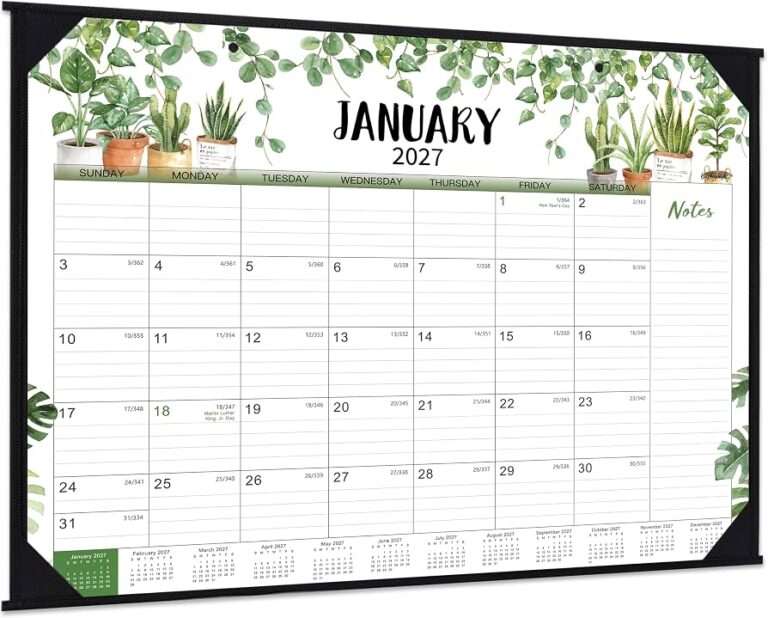
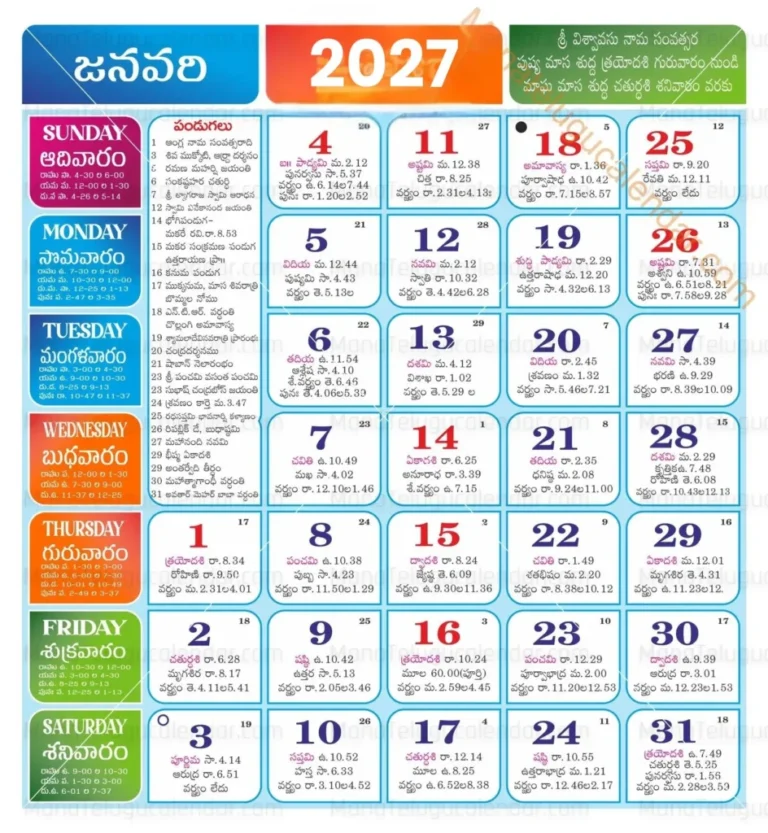
Introduction to Gujarati Calendar January 2027
The January 2027 Gujarati calendar is a key resource for many people. It helps them track important dates, festivals, and auspicious times for rituals. This calendar is based on the lunar cycles and the Hindu tradition.
People use it to plan everyday events and special celebrations. The calendar shows the tithi, or lunar days, which guide many spiritual and cultural activities.
Overview of Gujarati Calendar
The Gujarati calendar combines the lunar and solar cycles. It follows Vikram Samvat years, currently 2083-2084 during January 2027. It marks days with a lunar tithi and includes festivals and holy days.
This calendar plays a big role in community life. Everyone from families to priests uses it to find the best days for worship, marriages, and festivals.
Importance of Tithi in Gujarati Culture
Tithis are the 30 lunar days that make up a month. Each tithi lasts about 12 hours. They show the moon’s waxing and waning at different stages.
People consider these tithis very important. Many prayers, fasts, and ceremonies depend on the right tithi falling on a day. It keeps tradition alive in daily life.
Understanding Vikram Samvat and Months
What is Vikram Samvat 2083-2084?
Vikram Samvat is a traditional Hindu calendar system, and for those interested in aligning it with the Gregorian months, consulting a detailed overview of the September and October 2027 calendar months can be very helpful. The year 2083 starts in April 2026 and continues to April 2027, with January 2027 falling within this timeframe, bridging the end of 2083 and the start of 2084.
This calendar places heavy focus on lunar phases and festivals linked to seasons. It is still used widely in Gujarat and many parts of India.
Gujarati Months: Magshar and Posh
In January 2027, two Gujarati months meet: Magshar and Posh. Magshar starts in December and ends mid-January. Posh follows and spans the rest of January and early February.
Each month has its own set of important tithis and festivals. Magshar and Posh are crucial for marking winter festivals and rituals.
Special observances often occur at the start and end of these months, reflecting the lunar cycle changes.
Tithi Details for January 2027
Daily Tithi Schedule
Each day in January 2027 has a specific tithi. The tithis move from the waxing phase (Shukla Paksha) to the waning phase (Krishna Paksha) as the month progresses.
The month starts with the later days of Magshar and concludes deep in the Krishna Paksha of Posh. Key tithis during this period include Ekadashi, Chaturdashi, and Amavasya.
Observing the daily tithi helps Gujaratis decide fasting days and festival timings.
Matching Gregorian Dates with Tithis
Matching Gregorian dates to Gujarati tithis is important for timely rituals. For example, Makar Sankranti falls on January 14, 2027, which is an important solar event but also lines up with specific tithi timings.
People often refer to the Gujarati calendar January 2027 to check tithi details before major events.
Knowing the exact tithi for a day ensures proper celebration and ritual adherence.
| Gregorian Date | Gujarati Month | Tithi |
|---|---|---|
| January 1 | Magshar | Shukla Paksha Pratipada |
| January 14 | Magshar-Posh | Makar Sankranti (Solar Event) |
| January 27 | Posh | Krishna Paksha Chaturdashi |
| January 30 | Posh | Amavasya |
Each tithi can start or end during a Gregorian day, so precise timings from a Panchang are useful.
The calendars help people prepare well ahead for religious duties.
Finding out how tithis match helps plan both spiritual and social life activities.
Festivals and Important Dates
Makar Sankranti on January 14
Makar Sankranti is one of the biggest festivals in the Gujarati calendar. It marks the sun’s entry into Capricorn. It usually falls on January 14, 2027.
This festival celebrates harvest and new beginnings. It is a day of flying kites, giving thanks, and worshipping the sun god.
Saphala Ekadashi and Its Significance
Saphala Ekadashi is an important fasting day in January. It usually falls during the Shukla Paksha of Magshar or Posh.
Devotees observe a fast and perform prayers. This Ekadashi helps in attaining spiritual growth and washing away sins.
The exact date varies slightly each year according to the lunar calendar.
Other January Festivals
January features many small fasting days and festivals. These include various vrat (fast) observances, pujas, and community gatherings.
The calendar also notes days best suited for charity and religious study.
Local fairs and temple celebrations often happen based on these festival days.
| Festival Name | Date (2027) | Description |
|---|---|---|
| Makar Sankranti | January 14 | Sun’s transition to Capricorn, harvest festival |
| Saphala Ekadashi | January 22 | Fasting day for spiritual cleansing |
| Pradosh Vrat | January 11, January 25 | Fasting for Lord Shiva’s grace |
For those wondering about detailed festivals in the months ahead, where could one find a more detailed listing? If you want information on events in the next quarter, people often look at resources that cover the calendar of March 2027 details.
Planning ahead helps families arrange visits and ceremonies in line with traditions.
Auspicious Days and Muhurat
Marriage Muhurat in January 2027
Marriage muhurats are special dates and times for weddings. They promise good luck and harmony in married life. In January 2027, the Gujarati Panchang lists several such days.
These muhurats usually fall on the Shukla Paksha side of the lunar month. Families consult astrologers to pick the best days and times for the ceremony.
List of Auspicious Days for Rituals
Apart from weddings, many other rituals need good muhurats. This includes thread ceremonies, housewarmings, and naming ceremonies.
Some popular auspicious days in January 2027 include:
- ✅ Margashirsha Shukla Panchami
- ✅ Posh Purnima (Full Moon)
- ✅ Day of Saphala Ekadashi
These days are chosen for their positive energies and alignment with lunar phases.
Gujarati Panchang Features
Day-quality Markers Explained
Gujarati Panchang provides markers for each day. These show the quality and energy for activities.
There are Choghadiya (time slots) which divide a day into favorable and unfavorable moments. People use these to start journeys or important work.
Day-quality markers help avoid inauspicious timing and increase success chance.
Vrat and Observances in January
Several vrats are observed during January. These fasts are held on specific tithis as per the Gujarati calendar.
Fasting days include Ekadashi, Pradosh, and Amavasya. Devotees believe that following these vrats brings health, wealth, and peace.
| Date | Vrat | Tithi |
|---|---|---|
| January 11 | Pradosh Vrat | Shukla Paksha Ashtami |
| January 22 | Saphala Ekadashi | Shukla Paksha Ekadashi |
| January 30 | Amavasya | Krishna Paksha Amavasya |
People who want to observe these should consult the detailed daily Panchang for exact timings.
Those interested in the full scope of Gujarati Panchang and festival dates can visit detailed online apps like the one found on Gujarati Calendar 2027 app.
Using the Gujarati Calendar Effectively
Planning Events and Festivals
When organizing weddings, pujas, or festivals, the Gujarati calendar is essential. Following the right tithi and muhurat ensures the event is spiritually auspicious.
By using the calendar, families avoid unlucky times and maximize their happiness and well-being.
This is why many consult astrologers and use digital calendars to stay updated.
For those curious about dates later in the year, understanding how to plan with resources such as the September 2027 calendar details can serve as a helpful comparison for bigger event planning.
Consulting the Calendar for Daily Activities
Beyond big events, the Gujarati calendar helps with daily life. It shows the best days for travel, starting new work, or buying important items.
Matching Janm Rashi (birth signs) with daily tithi and time brings luck and peace. It is used when making important decisions.
Importance of Janm Rashi Matching
Janm Rashi is a person’s moon sign in the Hindu zodiac. Checking how this aligns with daily tithi helps people choose ideal times for personal and family rituals.
This practice improves harmony in health and career.
Tracking Lunar Phases and Choghadiya
Observing lunar phases helps identify important tithis. The day is divided into Choghadiya, four-hour segments, marked as good or bad.
Using these time markers helps people select auspicious moments for all important activities.
With the right use of the Gujarati calendar, life activities are matched perfectly with tradition and nature’s cycles.
For those who want to learn more about coordinating months for event timing, viewing how moon phases influence the August Calendar 2027 details can offer additional insight.
Using the Gujarati calendar smartly supports cultural harmony and personal growth throughout the year.
With its blend of lunar and solar knowledge, this calendar remains an essential tool for families and religious communities in 2027 and beyond.
Explore and plan to get the full benefits of Gujarati traditions.
Frequently Asked Questions
What is the Gujarati calendar for January 2027, including the tithi?
The Gujarati calendar for January 2027 follows Vikram Samvat 2083-2084, covering the months Magshar and Posh. Each day aligns with a specific tithi, which marks the lunar phase essential for cultural events and rituals.
What is the tithi on January 27, 2027?
On January 27, 2027, the tithi is the Krishna Paksha Chaturdashi, which is the 14th lunar day in the waning phase of the moon.
What is the tithi on January 30, 2027?
The tithi on January 30, 2027, is Amavasya, the new moon day, an important day in the Gujarati calendar for various rituals and observances.
What was the Gujarati tithi?
Gujarati tithi is a way to mark each day according to the moon’s phase in the lunar calendar. It helps in planning festivals, religious events, and auspicious timings.

Philip Kowalski Is A Savvy Web Builder And Local Seo Aficionado Dedicated To Helping Users Navigate The Annual Chaos. With A Unique Flair For Design And Optimization, He Transforms Ideas Into Engaging Digital Experiences. Join Him On A Journey To Elevate Productivity With Expertly Crafted Printables.