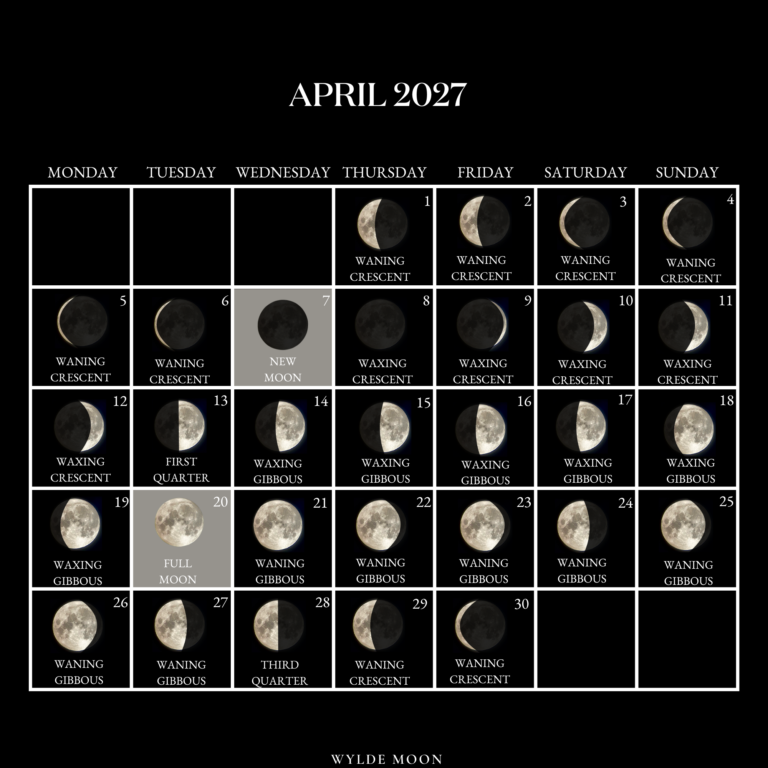
Introduction to the Full Moon of February 2027
The full moon on February 20, 2027, is a key event that captures the attention of sky watchers. This moon will be bright and full, lighting up the night sky in unique ways. It also coincides with a penumbral lunar eclipse, which adds a special touch to its appearance.
This February full moon has important meanings for both astronomy and astrology. It marks the middle of the lunar cycle for the month and often symbolizes change and balance in many cultures. The full moon also signals the end of the moon’s growing light phases and the start of its retreat.
Key dates and times
February’s full moon peaks on February 20, 2027. Exact timing varies by location but generally falls during the evening hours in North and South America. The moon rises at different times depending on where you are, but expect moonrise near sunset and moonset near sunrise.
For those eager to catch the moment, the moon is at its fullest close to 10:30 PM UTC. This timing also overlaps with the slight penumbral shadow moving across the moon, subtly dimming its shine.
General significance of February full moon
February’s full moon is often called the Snow Moon because of heavy winter snows. Many cultures see it as a symbol of endurance and hope through cold times. It reminds us that light returns even in darkest seasons.
Astrologically, this full moon is linked to the constellation Leo, known for strength and courage. Its energy is believed to inspire confidence and creative expression. People often feel more outgoing and decisive around this time.
Astronomical Details of February 2027 Full Moon
Exact timing and visibility
The February 20 full moon is exact at 22:34 UTC, with peak visibility best in late evening hours for Americas and early hours next day for Europe. The moon rises roughly around sunset, offering a great view as the sky darkens.
Visibility is excellent, with clear conditions allowing observers to see the full lunar disk. During the penumbral eclipse phase, subtle shading on the moon’s surface becomes visible to keen eyes. Unlike total eclipses, this one dims only a small part of the moon’s brightness.
For those interested in moon timings through the month, the Griffith Observatory in Los Angeles provides a detailed lunar calendar for February 2027. Their charts offer precise rise and set times across locations.
2027 Phases of the Moon – Griffith Observatory
Moon’s position in constellation Leo
On the night of February 20, 2027, the full moon sits in the constellation Leo. Leo is a bright zodiac constellation identified by its shape resembling a lion. Being in Leo adds star power to the full moon’s glow.
Astrophysical characteristics
Leo is home to many bright stars and deep sky objects, making this moon event interesting for astronomers. The moon’s light can highlight Leo’s surrounding stars, making for a lovely night sky scene.
The moon’s age at full phase is around 14.77 days, which means it is exactly halfway through its roughly 29.5-day orbit. The moon distance from Earth is about 364,000 km, close to its average distance, so its size appears normal to the eye.
| Characteristic | Details |
|---|---|
| Moon Age | 14.77 days |
| Constellation | Leo |
| Distance | 364,000 km (approx.) |
These measures help astronomers understand the moon’s brightness and position in the sky. The moon illumination percentage is 100% at full moon, making it as bright as possible.
Moon phase progression in February 2027
From new moon to full moon
The lunar cycle in February 2027 starts with a new moon on February 5. In this phase, the moon is dark and invisible from Earth as it sits between Earth and the sun. Following this, the moon grows brighter each night.
This waxing phase leads up to the full moon on February 20, when the moon is fully lit. The light increases steadily, providing a smooth progression in the lunar calendar.
Those who want to understand how the moon changed through the month can look at the detailed lunar calendar available online.
February 2027 – Moon Phases Calendar | Catalina Sky Survey
Transition to waning gibbous phase
After the full moon, the moon shifts into the waning gibbous phase. This begins the visible retreat of the moon’s bright side. By the last week of February, the moon is less shiny and sets earlier each day.
This phase signals the approach of the third quarter moon on February 27. The third quarter is when half of the moon’s face appears lit, differing from the round full moon.
Want to see what happened just before? Visitors might ask when the previous month’s moon phases were; some wonder how lunar phases unfolded in January. For those curious about details, what is the approximate timing of the dark moon in January 2027?
Those interested in the moon sequence in the previous month may be curious about what the dark moon time was around January, and find more details here: How did the moon phase cycle progress in January?
Lunar Eclipse Associated with February 2027 Full Moon
Penumbral lunar eclipse explained
The full moon of February 20, 2027, is special because it coincides with a penumbral lunar eclipse. This eclipse happens when the moon passes through Earth’s penumbra, the faint outer part of Earth’s shadow.
This causes a slight darkening of the moon’s surface. Unlike total eclipses that cause deep red colors, penumbral eclipses are subtle and harder to notice without instruments or careful observation.
Impact on moon illumination and appearance
During this eclipse, the moon’s illumination percentage dips a bit, but stays close to full brightness. As the moon slowly passes through this shadow, parts of its surface will look dimmer.
For those interested in tracking lunar phases and planning activities around the moon’s cycle, consulting a detailed resource can be invaluable. By exploring the comprehensive guide that clearly outlines the moon phases and key lunar events for March 2027, you can better align your schedule with nature’s rhythms. This helpful tool is available through a carefully designed resource that offers a clear overview of the entire month’s lunar calendar, making it easier to anticipate full moons, new moons, and other significant lunar moments.
For those interested in tracking lunar changes, understanding the detailed progression of the moon’s phases in early 2027 can be quite beneficial. By exploring the comprehensive guide that outlines the moon’s behavior throughout February, you can better plan activities influenced by lunar cycles. This resource provides a clear schedule, helping enthusiasts and planners stay informed about the moon’s waxing and waning phases during this specific month. To gain a deeper insight, consider reviewing the detailed breakdown that highlights the timing and nature of each phase in February 2027 by visiting how you can accurately follow the moon’s phases throughout February 2027.
As we look ahead to early 2027, it’s helpful to understand the significance of the lunar cycle, especially the upcoming February new moon. This celestial event marks a time for fresh starts and setting intentions. For those interested in precise timing and how to harness this energy, exploring the detailed information on how to make the most of the February 2027 new moon phase can provide valuable insights and practical tips.
To access this detailed information, consider visiting a resource providing an easy-to-follow and accurate lunar phase schedule for March 2027, which supports both casual observers and those with a keen interest in astrology or gardening.
For this event, scientists record an umbral magnitude of zero, meaning the moon doesn’t enter Earth’s full shadow, only the penumbra. This means the usual bright full moon changes very little in appearance.
Umbral magnitude and significance
The umbral magnitude here is below 0.01, confirming it is truly a penumbral eclipse with no areas in Earth’s darkest shadow. This small figure shows the subtle nature of this eclipse compared to partial or total ones.
Observers should look carefully at the lunar surface to notice shading during this time. This differs from brighter changes in other types of eclipses and highlights the complex geometry of the moon’s orbit relative to Earth.
| Type of Eclipse | Umbral Magnitude | Visibility |
|---|---|---|
| Penumbral | ~0.00 | Subtle shading on moon |
Lunar orbit descending node role
This eclipse occurs near the moon’s orbit descending node. This is a point where the moon crosses the Earth’s orbital plane going south. The alignment at this node allows Earth’s shadow to fall on the moon.
The moon orbit descending node happens around February 20, making this eclipse possible. Such alignments happen about twice a year due to the tilt of the moon’s orbit.
Understanding the nodes helps astronomers predict when lunar and solar eclipses happen. This adds to the importance of the February full moon in 2027 for eclipse watchers.
Astronomical Observations and Viewing Tips
Best locations for observation
For the February 2027 full moon and eclipse, dark sky areas offer the best views. Locations far from city lights, like rural parks and mountain areas, provide clear skies.
North and South America have the best visibility during evening and midnight hours. Some parts of Europe see the moon in early morning hours on February 21.
Weather will affect viewing, so check local forecasts. An unobstructed western horizon helps catch the moonrise on the night of the full moon.
Griffith Observatory insights
The Griffith Observatory in Los Angeles is a popular spot for moon viewing. They publish moon phase details and tips on their website. The observatory notes that February’s full moon timing fits well with late evening star gazing plans.
The Griffith Observatory encourages visitors to watch the moon’s changes and learn about eclipse science through their programs. This helps the public appreciate the moon phases more deeply.
Moon rise and set timing
Moon rise around February 20 happens approximately at sunset, with times depending on your location. Moon set happens near sunrise about 12 hours later.
The gradual progression to the third quarter moon reduces moonlight in following nights. Watching the moon rise and set times helps track these daily changes nicely.
| Location | Moon Rise (Feb 20) | Moon Set (Feb 21) |
|---|---|---|
| Los Angeles | 6:00 PM | 7:15 AM |
| New York | 5:40 PM | 6:30 AM |
| London | 5:50 PM | 7:20 AM |
Those who want a full weekly view of moon rise and set can find detailed times at Moon Calendar websites such as Moon Calendar for February 2027.
Sky watchers planning ahead may also want to compare with the lunar cycle in January. If curious about the moon’s brightness and timing before this, one might wonder when the moon was fuller earlier in the year. Is there detailed information on moonlight timings from January 2027 available? Discover these details here: How bright was the moon in early 2027?
Frequently Asked Questions
What date is the full moon in February 2027?
The full moon in February 2027 will occur on the 20th of February. It is the brightest lunar event for the month.
Is February 28 a full moon?
No, February 28, 2027, is not a full moon. The full moon happens earlier on February 20, and the moon will be in the waning gibbous phase by the 28th.
Does February have two full moons?
No, February 2027 has only one full moon. Since February is shorter, it doesn’t have enough days for two full moons, unlike some other months.
How many full moons will there be in 2027?
There will be 12 full moons in 2027. Each month will have one, except for occasional months with special cases called blue moons, which do not occur in February.

Philip Kowalski Is A Savvy Web Builder And Local Seo Aficionado Dedicated To Helping Users Navigate The Annual Chaos. With A Unique Flair For Design And Optimization, He Transforms Ideas Into Engaging Digital Experiences. Join Him On A Journey To Elevate Productivity With Expertly Crafted Printables.