Understanding the Full Moon in January 2027
Date and Timing Details
Exact time in GMT and EST
The January 22, 2027 full moon, called the Wolf Moon, peaks at 01:58 GMT. This corresponds to 8:58 PM Eastern Standard Time on January 21, 2027. This timing tells us when the moon is fully illuminated and brightest in the sky. It is helpful to know both GMT and EST to plan viewing accurately depending on your location.
The full moon reaches its peak illumination during these hours, marking a special moment for moon watchers and astrology fans worldwide. For precise lunar events in your time zone, tools like the January 2027 – Moon Phases Calendar provide exact data.
Moonrise and moonset times
On January 22, 2027, the moonrise in Eastern Standard Time happens around 5:00 PM, and the moon sets near 7:30 AM the next morning. These times vary by location but give an idea of the best hours for observing the Wolf Moon after sunset.
For example, in many U.S. cities, the full moon shines brightly through the evening and early night. If weather permits, you can view the moon rising high in the sky through midnight into early dawn. Make sure to find a spot with a clear horizon for the best view.
Moon Phase Overview
Sequence of January 2027 phases
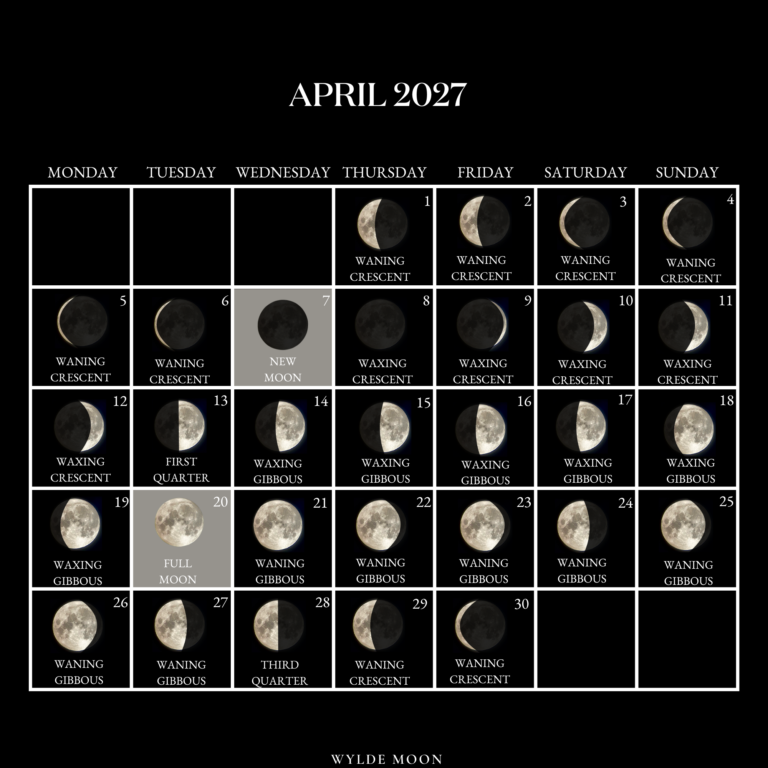
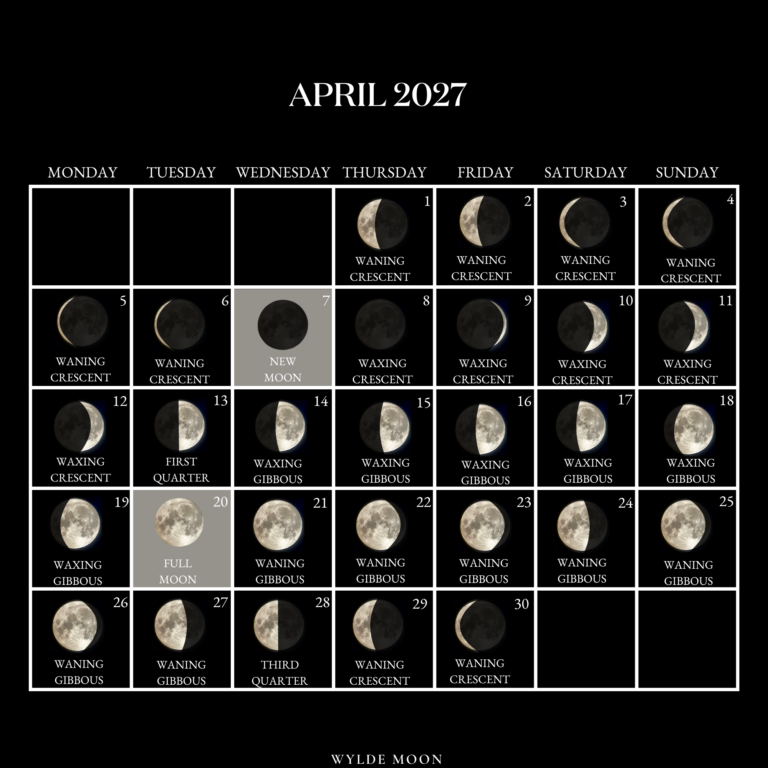
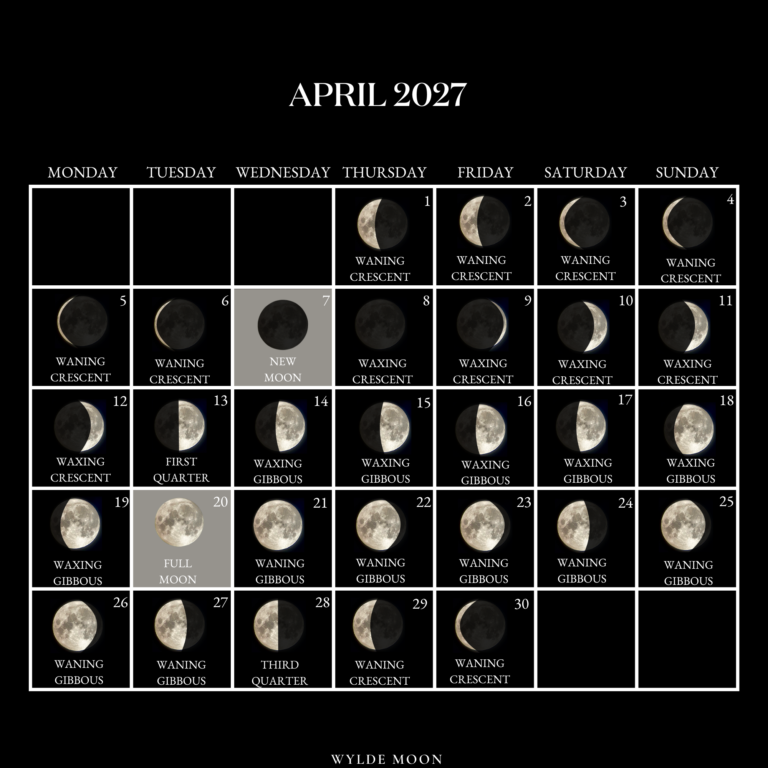
January 2027 has four main moon phases:
- ✅ New Moon on January 7
- ✅ First Quarter Moon on January 15
- ✅ Full Moon (Wolf Moon) on January 22
- ✅ Third Quarter Moon on January 29
This cycle shows the natural waxing and waning motions of the moon as it orbits Earth. Each phase brings different lights and shadows, visible from Earth.
You can easily track these phases using a lunar phase chart for January 2027, which highlights each key lunar event.
Definition of full moon
A full moon happens when the moon is fully lit by the Sun from Earth’s view. At this point, sunlight shines directly onto the moon’s face visible to us, making it appear bright and round. This occurs when the Moon is opposite the Sun in the sky.
Because of this alignment, the Moon appears at its largest and brightest. The time of exact full illumination is called the full moon peak, a key moment for lunar observation and astrology.
The January 2027 Wolf Moon
Name and Historical Background
Origin of ‘Wolf Moon’
The name “Wolf Moon” comes from Native American and European traditions. It refers to the full moon in January, associated with the howling of wolves during cold winter nights.
This name helps people remember the month of the moon’s appearance. It reflects old beliefs about nature, seasons, and animals linked to moon phases.
Folk and cultural significance
Many cultures see the Wolf Moon as a symbol of strength and renewal. In some stories, it marks a time to gather near fires and reflect on the year’s start. Others see it as a guide for planting or hunting.
This full moon is often linked with winter’s hardships but also hope for new beginnings as days slowly become longer.
Astrological Context
Moon in Leo and Cancer constellation significance
In January 2027, the full moon appears near the Cancer constellation. Some related astrological viewpoints include links to emotions, family, and home, which Cancer rules.
Prior to being fully in Cancer, the moon moves through Leo, known for courage and brightness. This blend hints at strong feelings with a spark of confidence.
Astrological effects of the Wolf Moon
Astrologers believe the Wolf Moon in January encourages reflection and new goals. The energy is said to boost intuition and emotional clarity. It is a time for growth in home life or self-care.
People may feel motivated to finish projects or clear out old worries. The full moon’s light, combined with the Cancer-Leo influences, makes it a powerful moment for inner work and relationships.
Lunar Calendar and Moon Phases
Calendar Highlights for January 2027
New Moon to Third Quarter timeline
The lunar calendar for January 2027 follows this timeline:
| Phase | Date | Description |
|---|---|---|
| New Moon | January 7, 2027 | Moon hidden from Earth’s view to start a new cycle |
| First Quarter | January 15, 2027 | Half the moon is lit; growing visibility |
| Full Moon (Wolf Moon) | January 22, 2027 | Moon fully illuminated; brightest point |
| Third Quarter | January 29, 2027 | Moon wanes back to half-lit after full |
This timeline helps astronomers and hobbyists plan moon watching or tie in lunar phases with planting or astrological uses.
Throughout January, the moon shifts clearly from dark to bright and back, showing the steady rhythm of lunar motion.
Transition through moon phases
From the new moon on January 7 to the full moon on January 22, we see the moon waxing brighter each night. After the full moon, it wanes, moving toward the third quarter on January 29.
This waxing and waning is caused by Earth, Moon, and Sun’s relative positions. It’s the basis for many traditional calendars worldwide.
Phase Illumination Explained
Waning Gibbous following full moon
After the full moon peak on January 22, the moon enters the waning gibbous phase. This means its illumination slowly decreases but the moon is still mostly bright.
The waning gibbous phase lasts from January 23 to January 28, leading up to the third quarter moon. It is a time of releasing and reflecting as the moon light dims.
Illumination percentage and impact
The full moon phase has 100% illumination, making it the moon’s brightest day. During waning gibbous, the illumination gradually drops from about 99% to 50%.
This change influences tides and, per many beliefs, can affect human mood and energy. Some say stronger moonlight increases intuition or restlessness.
To understand more moon illumination data, see the detailed moon illumination and phases calendar for January 2027.
Observing the Full Moon
Best practices for viewing
Ideal time and location
The best time to see the Wolf Moon is just after moonrise on January 22, from about 5 PM EST onward. Pick a location with a clear view of the eastern horizon and low light pollution.
As we look ahead to the lunar events of 2027, many are eager to understand the significance and timing of the full moon in May. By exploring detailed insights and key dates, you can better prepare for this celestial occurrence. To get a comprehensive overview and plan accordingly, consider discovering when the full moon will shine brightest in May 2027, along with its cultural and astronomical importance.
Viewing conditions improve when the moon is high in the sky, around midnight. Avoid city lights if possible for a clearer, brighter moon.
Effects of weather and environment
Clear skies are crucial for beautiful moon viewing. Clouds, fog, or rain block the light and make moon observation hard. Cold winter air often brings clearer skies, perfect for January 2027.
Elevation helps too. Mountains or hills reduce obstacles and improve the moon’s visibility.
Photography Tips
Equipment recommendations
A DSLR or mirrorless camera with manual settings and a telephoto lens (200mm or greater) works best to capture the full moon. A sturdy tripod reduces blur from hand movement.
Additional gear: remote shutter release, high ISO capability, and a lens hood.
Techniques for night sky photography
Use manual focus, set your aperture around f/8, and adjust shutter speed to properly expose the bright moon—usually between 1/100 to 1/250 seconds. Avoid too long exposures to prevent over-bright images.
Capturing the full moon with stars requires balance; use layered exposures or post-processing to enhance details.
For more detailed lunar photography help, review guides on related lunar phases. For instance, those interested in a late summer moon could check advice specifically for the unique August 2027 Blue Moon viewing experience.
Additional Lunar Events in Early 2027
February’s New Moon and Eclipses
Solar eclipse February 6, 2027 overview
February 6, 2027, hosts a rare solar eclipse visible in parts of the southern hemisphere. It occurs when the moon blocks the sun partially or fully, darkening daytime skies briefly.
This event complements January’s moon phases as the lunar cycle continues dramatic sky changes.
Lunar eclipse February 20, 2027 highlights
The lunar eclipse on February 20 will occur near the full moon phase. It is a red or blood moon event caused when Earth’s shadow falls on the moon.
Watchers can observe gradual darkening, color changes, and eerie moon glow during totality, a rare and striking spectacle.
Relation to January lunar events
Impact on moon observation cycles
The January 22 full moon sets a base for February’s lunar activities. Tracking these cycles helps plan observations and understand moon behavior over weeks.
Eclipses heighten interest in moons and moons’ light since they display earth-moon-sun alignment dramatically.
Astrological timeline continuity
Astrologically, the Wolf Moon’s traits flow into the eclipses, promoting change and endings before new beginnings with February’s new moon. The lunar calendar connects these phases with personal and global energies.
Interest in moon phase patterns continues through the year; for example, early summer watchers might follow the moon’s progression toward the July full moon constellation activity.
For those studying moon cycle influences on daily life, habits tied to moon phases like those documented for the notable full moon moments in May 2027 provide helpful comparisons in season and lunar energy.
Tracking and understanding moon phases, like in January 2027, reveal powerful rhythms in sky watching and personal insight.
Frequently Asked Questions
What are the full moon dates for 2027?
In 2027, the full moons occur each month on specific dates, including January 22, February 21, March 23, and so on. These dates mark when the moon is fully illuminated as seen from Earth.
Is January 29 a full moon?
No, January 29, 2027, is the date of the third quarter moon phase, not a full moon.
Is Jan 22 a full moon?
Yes, January 22, 2027, is the full moon date known as the Wolf Moon.
What is the most powerful moon phase?
The full moon phase is often considered the most powerful because the Moon is fully lit, symbolizing completion and strong astrological energy.
When is the new moon in January 2027?
The new moon in January 2027 occurs on the 7th, starting a new lunar cycle.

Philip Kowalski Is A Savvy Web Builder And Local Seo Aficionado Dedicated To Helping Users Navigate The Annual Chaos. With A Unique Flair For Design And Optimization, He Transforms Ideas Into Engaging Digital Experiences. Join Him On A Journey To Elevate Productivity With Expertly Crafted Printables.