Overview of February 2027 Full Moon
The February 20 2027 full moon is an important lunar event for stargazers. This full moon lights up the night sky and brings various natural effects. The bright moon will be visible worldwide with some variations based on your location and timezone.
The moon reaches full brightness when it is directly opposite the Sun. This makes the entire face of the moon glow. Many cultures celebrate this full moon for its beauty and timing in the lunar calendar.
Exact Date and Time
The full moon peaks on February 20, 2027, at about 04:56 UTC. This is the moment the moon is exactly opposite the Sun from Earth’s view. For night viewers, this full moon will be seen on the night of the 19th and early morning of the 20th.
Because of time differences, some places may see the full moon closer to the 19th or 20th local time. Always check a trusted moon clock or calendar for your region for exact rising and setting times.
Significance of the Full Moon
Full moons have long been important to humans. The February full moon is often linked to renewal and light during the late winter. This moon, happening just before spring begins, marks a turning point in nature’s cycle.
Astrologically, the moon in February 2027 is in the constellation Leo. This star grouping adds a sense of strength and brightness to the full moon’s power. Many people find the full moon time great for reflection or starting fresh projects.
Moon Phases in February 2027
The moon changes its shape each day in a repeating cycle. This cycle is called the lunar cycle and takes about 29.5 days. February 2027 has all the usual phases you can expect through the month.
If you want to plan moon viewing or know when the sky is darkest, knowing these phases is very helpful.
New Moon on February 6
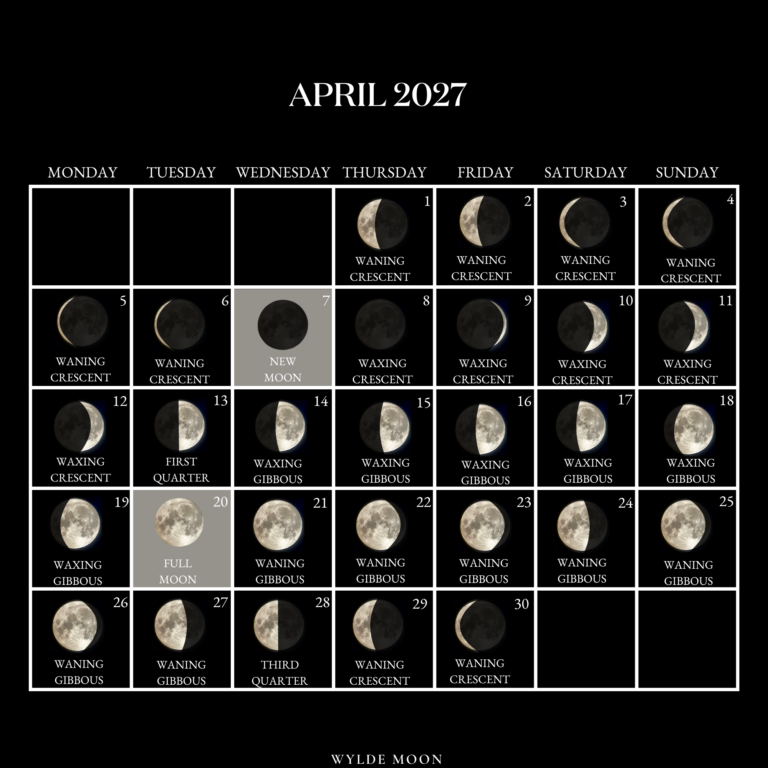
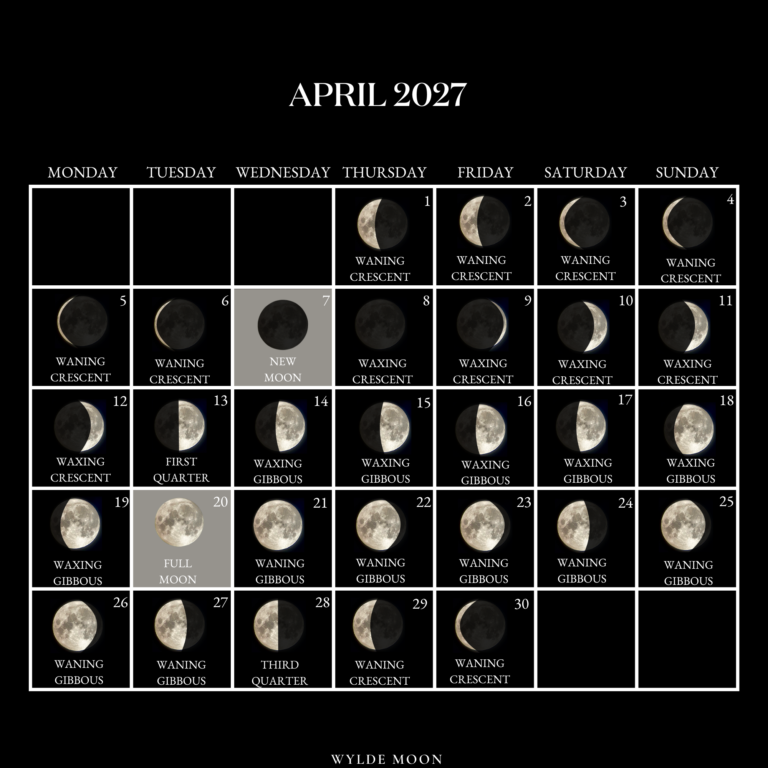
The month starts with a new moon on February 6, 2027, and for those interested in lunar phases later in the year, you can find detailed information about when the moon will be fully illuminated by exploring the best way to track the moon’s brightness during September 2027 through this helpful resource: how to find the fullest moon in September 2027 for planning. At this time, the moon is near the sun in the sky and not visible from Earth. The new moon means the moon is just starting its cycle from dark to full light.
Many people like to use new moon nights for rest or planning because the sky is darkest then. More about new moons is available if you wonder when the next dark sky will be.|
First Quarter and Third Quarter Dates
In February 2027, the first quarter moon occurs on February 13. This phase shows half the moon lit on the right side as it grows fuller. The third quarter moon happens on February 27, showing the other half lit as the moon wanes.
These quarter phases split the lunar month into four parts. They help predict the moon’s shape on any given day. Moon watchers follow these for understanding how the moon changes.
Waning Gibbous Phase Explained
After the full moon on February 20, the moon enters the waning gibbous phase. This means the bright side shrinks but is still more than half lit. It lasts until the third quarter on February 27.
This phase gives many nights with a big bright moon, but it slowly gets darker. It is a great time for gentle moonlight and easy observation.
Penumbral Lunar Eclipse on February 20
Along with the full moon, February 20, 2027, features a penumbral lunar eclipse. This eclipse is a subtle darkening of the moon’s surface as it passes the Earth’s shadow.
Not as dramatic as total eclipses, penumbral eclipses slightly dim the moon but can be seen with care.
Eclipse Timing and Details
The eclipse starts at 03:30 UTC and ends near 07:00 UTC on February 20. The greatest shading occurs about 05:15 UTC. The whole event lasts over three hours.
Since the penumbral shadow is faint, viewers should watch carefully to notice the change in brightness.
Magnitude and Visibility
The lunar eclipse magnitude 2027 indicates how much of the moon’s face is covered by Earth’s shadow. For this eclipse, the magnitude is about 0.77, meaning the shadow covers 77% of the moon’s visible disk.
Visibility depends on geographic location. Most of North America, Europe, and parts of Africa and South America can observe the eclipse. Asia and Australia see partial or no eclipse.
Moon’s Descending Node Role
The eclipse occurs near the moon’s orbit descending node. This is where the moon crosses the Earth’s orbital plane moving southward. Earth’s shadow meets the moon here, causing the eclipse.
Only near these nodes can eclipses happen, explaining the timing of February 20’s event.
Astronomical Context
Understanding the moon during this full moon helps us know its place in the sky and lunar cycle. The moon’s behavior links to its orbit and position by night.
The 2027 full moon in February gives a chance to see many related lunar events in one month.
Full Moon in Leo Constellation
The full moon occurs in the Leo constellation, a bright group of stars shaped like a lion. Leo is important for astronomy and astrology because of its strong star patterns.
When the moon is in Leo, it seems braver and bigger. This makes the full moon night a good time for bold observations or simply enjoying a bright sky.
Moon Age and Illumination Percentage
On February 20, 2027, the moon age is 14.7 days. This means the moon is just past the middle of its 29.5-day cycle. At full moon, the moon illumination percentage reaches 100%, lighting the whole lunar face.
After this, illumination falls gradually toward the new moon. These numbers help astronomers and hobbyists predict how bright the moon will be any night.
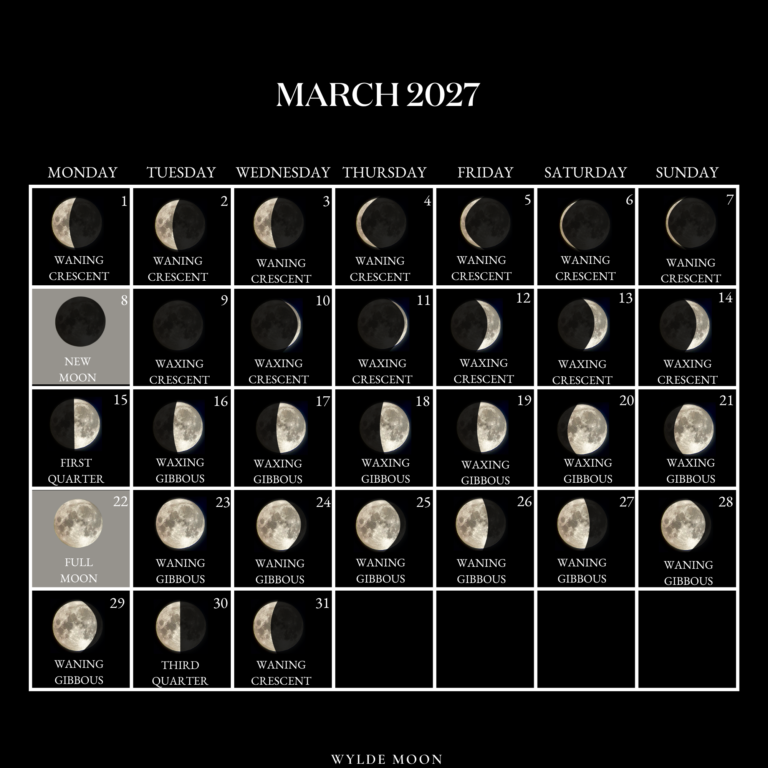
For more detailed moon data, see this 2027 phases of the moon resource.
Moon Observation Tips
Seeing the full moon and eclipse clearly takes some planning. The moon rises and sets at different times, changing how long it is visible in your sky.
Knowing the phases and timing helps get the best views for photography or simple enjoyment.
Best Viewing Times
The full moon on February 20 is best seen from local moonrise until moonset. Exact times vary by location. Usually, the moon rises in the evening and stays up till early morning.
During the eclipse, the darker penumbral shading is clearest around peak time near 05:15 UTC. Check local moon times before going outside.
Have you wondered when the last month’s lunar cycle occurred? You can easily explore a past moon calendar like the one for January 2027 to see previous phases and moon dates.
Locations for Optimal Visibility
Clear skies away from city lights offer the best moon views. Rural areas or high elevations are perfect for watching lunar details.
Avoid nights with clouds or bright city lights that hide the moon’s delicate eclipse shading.
Some people ask where to watch moon phases closely—if you want to know how to see a full moon in late fall, you can check how the moon appeared in November by visiting this reference on late-year moon events.
Using Moon Phase Calendars
Moon calendars are helpful tools for tracking lunar phases ahead of time. They show the dates of new, first quarter, full, and third quarter moons.
For February 2027, you can use online calendars like the Catalina Sky Survey moon phase calendar to plan your moon observations.
Knowing phases helps avoid cloudy nights and prepare for special events like eclipses or bright full moons.
If you ever wonder about new moons in September or moonlight changes that month, check this detailed page on early fall lunar cycles: What is new moon timing in September?
Similarly, watching how the moon grows full is easier if you know about the events happening in other months. For example, curious about full moons on September dates? This linked site explains the moon for that period for September 2027.
Tracking lunar cycles is enjoyable and can connect you more with nature’s rhythms.
| Moon Phase | Date in February 2027 | Description |
|---|---|---|
| New Moon | February 6 | Moon not visible, start of cycle |
| First Quarter | February 13 | Half moon, right side lit |
| Full Moon | February 20 | Fully lit moon, penumbral eclipse |
| Third Quarter | February 27 | Half moon, left side lit |
The table above lists important February moon phases and their meanings. This will help anyone plan moon watching nights well.
Studying the moon phases gives us better ideas on lunar light patterns and timing for 2027.
| Event | Start (UTC) | Peak (UTC) | End (UTC) |
|---|---|---|---|
| Penumbral Lunar Eclipse | 03:30 AM | 05:15 AM | 07:00 AM |
This simple table helps you remember when the eclipse happens during the full moon night. Watching near the peak time is best to see Earth’s shadow.
Be sure to note your local time from UTC for accurate planning.
| Moon Parameter | February 20, 2027 |
|---|---|
| Moon Age (days) | 14.7 |
| Illumination | 100% |
| Constellation | Leo |
| Eclipse Magnitude | 0.77 |
The values in this table give a quick snapshot of the moon’s state during this full moon date. Knowing this data helps astronomers report accurate observations.
Frequently Asked Questions
Is there a full moon in February 2027?
Yes, there is a full moon on February 20, 2027. It is a key lunar event of that month.
How many full moons will there be in 2027?
In 2027, there will be 12 full moons. Each month will feature one full moon, including February.
Is there a lunar eclipse on February 20, 2027?
Yes, a penumbral lunar eclipse happens on February 20, 2027, coinciding with the full moon that day.
What are the phases and stages of the Moon for 2027?
The Moon phases in 2027 follow the standard lunar cycle: New Moon, First Quarter, Full Moon, and Third Quarter, repeating every month.

Philip Kowalski Is A Savvy Web Builder And Local Seo Aficionado Dedicated To Helping Users Navigate The Annual Chaos. With A Unique Flair For Design And Optimization, He Transforms Ideas Into Engaging Digital Experiences. Join Him On A Journey To Elevate Productivity With Expertly Crafted Printables.