Overview of February New Moon 2027
The February new moon for 2027 falls on February 6th. This moon phase marks a new cycle in the lunar calendar and is special because it also aligns with a rare solar eclipse. February’s moon phases help us track time and changes in the night sky.

This new moon signals fresh starts and quiet nights when the moon is not visible. People watch for these times to plan or reflect.
Date and Timing Details
The February 2027 new moon occurs precisely on February 6 at 18:14 UTC. This means the moon is exactly between Earth and the Sun, causing a dark sky night with no visible moon glow. The timing is crucial for understanding eclipses and natural cycles.
Because the moon is in line with the sun, we get an annular solar eclipse on this date, which is a rare event where the sun’s light forms a ring around the moon.
Significance of the New Moon
New moons are important in many cultures for marking beginning phases in nature and life. The February new moon in 2027 signals new energy and reflection. It is a time when the lunar cycle restarts, and the moon’s light is at zero brightness before waxing again.
Astrologers often see this as a chance to start new projects or set intentions. It’s also a time when the night sky is darkest, offering clear views of stars and constellations.
Astrological and Astronomical Context
New Moon in Capricornus
In February 2027, the new moon happens in Capricornus, a zodiac constellation known for being steady and grounded. The moon’s position here affects how people interpret this lunar phase in astrology, emphasizing discipline and focus.
Capricornus is a winter constellation visible in the night sky during this month. Its presence during the new moon makes February special for star watchers and astrologers alike.
Moon Distance and Position

The moon’s distance from Earth during the February 6, 2027 new moon is about 365,000 km. This distance is typical for this phase and helps create the conditions for the annular eclipse.
Its orbit position near the lunar nodes also allows the solar eclipse to appear. These nodes are points where the moon’s path crosses the Earth’s orbit and are essential for eclipse events.
Understanding the moon’s position helps astronomers predict the eclipse visibility and the phases through the month.
February 6, 2027 New Moon Event
Annular Solar Eclipse Explained
The new moon on February 6, 2027, causes an annular solar eclipse. This happens when the moon is too far from Earth to fully block the sun, creating a “ring of fire” effect. The sun looks like a bright ring around a dark moon.
This eclipse differs from a total solar eclipse, where the sun is completely covered. In February 2027, the sun’s outer edges stay lit, giving a unique look to the sky.
Solar Eclipse Timing and Visibility
The annular solar eclipse begins around 17:50 UTC and lasts a few minutes. It can be seen clearly in parts of South America and the southern Atlantic.
Outside these areas, people will notice a partial eclipse with the sun partially obscured. The timing and visibility depend on your location on Earth.
Observers should use proper eye protection to watch the eclipse safely. Telescopes and eclipse glasses are recommended.
For a detailed moon phase timeline during February, check 2027 Phases of the Moon – Griffith Observatory.

Moon Phases Throughout February 2027
Waning Crescent Phase (Feb 7)
Right after the new moon on February 6, the moon enters the waning crescent phase on February 7, and for those interested in tracking similar changes later in the year, you can find detailed information about the moon phases occurring in October 2027 by visiting how the moon phases progress throughout October 2027. This phase means the moon is a thin sliver fading away before becoming a new moon again.
The waning crescent is best for resting and preparing for fresh starts. The moon is very dim and low in the sky during this time.
Waxing Crescent Phase (Feb 8-9)
From February 8 to 9, the moon brightens in the waxing crescent phase. The small curve of light grows each night. This phase shows the moon moving away from the sun’s glare.
It’s a good time for creative energy and small beginnings. The crescent shape is easy to spot shortly after sunset in the western sky.
First Quarter Moon (Feb 14)
The first quarter moon arrives on February 14, when half the moon appears lit and half is dark. It is a midpoint in the lunar cycle, showing progress.
The first quarter moon helps track time and offers good night sky views. Its phases mark steps between new and full moon events.

Full Moon and Last Quarter Overview
The full moon occurs on February 20, 2027. This is when the entire face of the moon glows brightly, opposite the sun. It’s a key timing point in the lunar calendar.
The last quarter moon happens after the full moon. It shows the moon’s light shrinking before moving back to a new moon in March.
| Date | Moon Phase | Visibility |
|---|---|---|
| February 6 | New Moon & Annular Solar Eclipse | South America, Atlantic |
| February 14 | First Quarter Moon | Evening Sky |
| February 20 | Full Moon & Penumbral Lunar Eclipse | Worldwide |
Watching these phases helps people track the lunar cycle and understand moon movements better. For those wondering about other moon timings, how about learning about the moon cycle in January 2027? It offers helpful background on phase changes before February.
Moon phases closely connect with ocean tides and daylight hours.
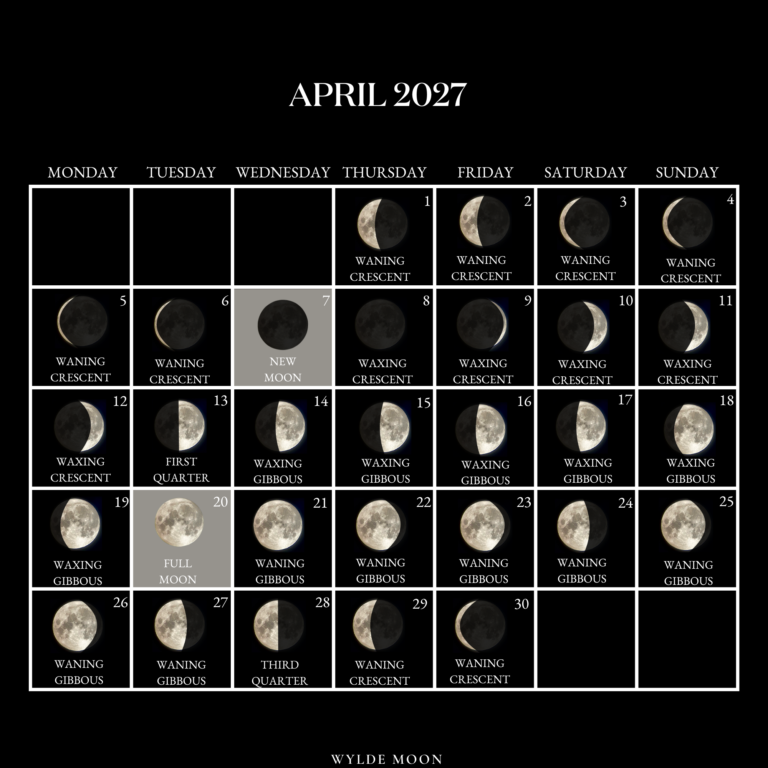
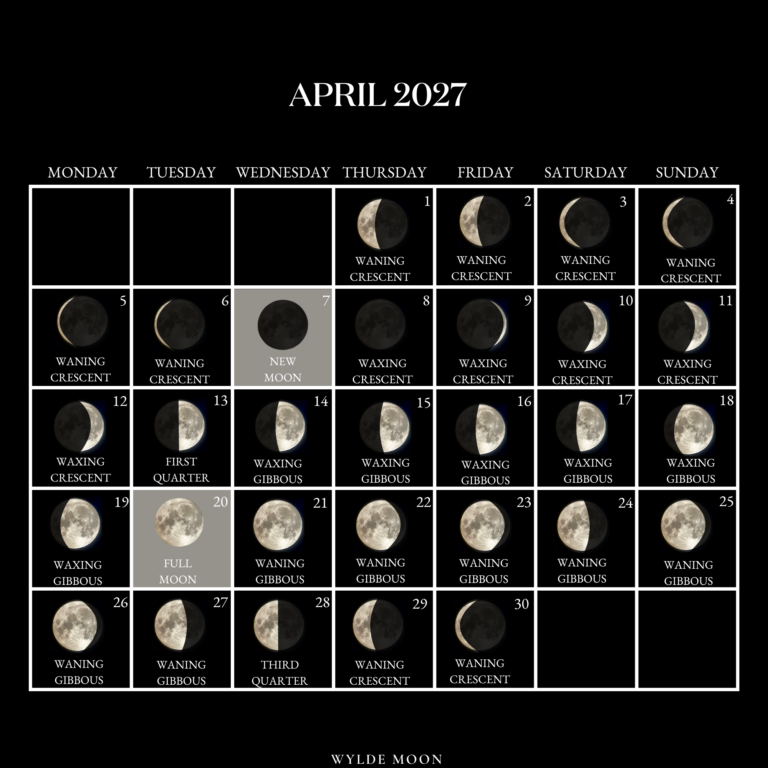
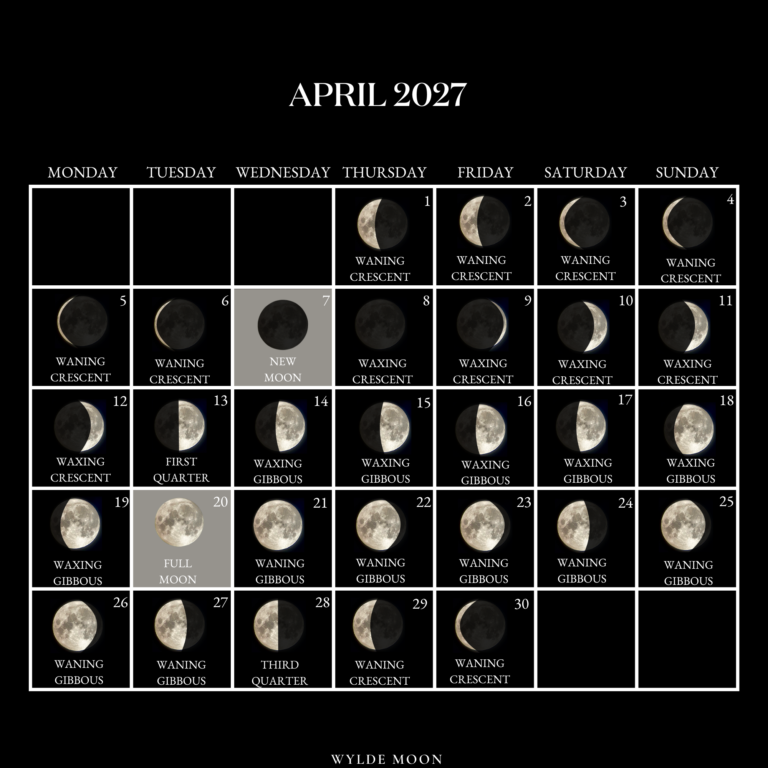
For those interested in planning activities or rituals around lunar phases, understanding the specific timing and significance of the new moon is essential. You can find detailed information about the expected date and optimal moments for reflection by exploring the comprehensive guide on how to make the most of the upcoming lunar cycle in April 2027 at how to effectively prepare for and benefit from the new moon in April 2027.
Lunar Eclipses in February 2027
Penumbral Lunar Eclipse on Feb 20
On February 20, 2027, a penumbral lunar eclipse occurs during the full moon. This type of eclipse happens when Earth’s shadow softly falls on the moon, causing a subtle darkening.
It looks less dramatic than total eclipses but is fascinating to watch. This eclipse is visible from most parts of the world except some parts of Asia.

Eclipse Magnitude and Effects
The eclipse umbral magnitude is about 0.15, meaning the Earth’s shadow covers 15% of the moon’s visible face. Its soft shading affects moon luminosity but doesn’t fully block light.
People report feeling changes in energy or mood during lunar eclipses. While these effects have no scientific proof, the event is important in cultural traditions.
If you are curious about moon luminosity during these phases, have you explored the details for When Is The Full Moon In February 2027? It can deepen your understanding of moon brightness through the month.
Observing the New Moon and Related Events
Visibility and Moon Luminosity
The new moon completely lacks brightness, so the sky is darkest on February 6, 2027. This clear darkness improves star viewing and makes the annular eclipse visible in parts of the world.
Moon luminosity grows after the new moon as the waxing crescent appears, lighting the night sky more each day.
How to Track Moon Phases
Tracking moon phases is easy with a lunar calendar or smartphone apps. Following moon constellation positions like Capricornus helps see the moon’s path more clearly.

Look at the phases daily: from new moon to full moon to last quarter. Keep a notebook or calendar to record your observations.
For example, if you’d like to compare with other months, you can check out what happens during Moon Phases October 2027. This comparison reveals how phases shift each month.
Tracking phases also links to tides, planting cycles, and outdoor activities informed by moonlight.
| Phase | Date | Moon Age | Visibility |
|---|---|---|---|
| New Moon | Feb 6 | 0 days | Not Visible |
| Waning Crescent | Feb 7 | 1 day | Very Low |
| Waxing Crescent | Feb 8-9 | 2-3 days | Low |
| First Quarter | Feb 14 | 8 days | Half Moon Visible |
| Full Moon | Feb 20 | 14 days | Fully Visible |
Observe these phases with binoculars or a telescope for more details. Using the moon’s distance and orbit knowledge enriches your stargazing experience.
Consider also the Moon Cycle January 2027 report to see the full lunar rhythm starting before February.
| Event | Date | Type | Visibility Area |
|---|---|---|---|
| New Moon | Feb 6 | Solar Eclipse | South America, Atlantic |
| Penumbral Lunar Eclipse | Feb 20 | Lunar Eclipse | Worldwide, except East Asia |
Watching these sky events safely is important. Always use proper eye protection for solar eclipses, and enjoy lunar eclipses with the naked eye.
Advanced stargazers can use apps or charts like the Moon Calendar for February 2027 to track moon data.
If you want to prepare for more new moons and eclipses, you might find it useful to check how the year unfolds after with New Moon April 2027 information.
Conclusion
The February 2027 new moon is a unique time due to the annular solar eclipse and clear moon phases throughout the month. This cycle in Capricornus offers star lovers and astrologers a chance to observe rare sky events with easy visibility in some regions.

Understanding these phases helps us connect with natural rhythms and enjoy the beauty of the universe. From the dark new moon sky to the bright full moon eclipse, February’s lunar events provide stunning and educational moments.
Frequently Asked Questions
What date is the full moon in February 2027?
The full moon in February 2027 occurs on February 20th. It is a bright and prominent full moon during the month.
What are the new moons in 2027?
In 2027, new moons occur roughly once each month. The important ones include February 6, 2027, April 5, 2027, and others, marking the start of new moon phases each month.
What is the New Moon in February?
The New Moon in February 2027 happens on February 6th. This is when the moon is between the Earth and the Sun and is not visible to us, marking a time of new beginnings.
When was the last New Moon in Pisces?
The last New Moon in Pisces before 2027 was in March 2026. Pisces is the zodiac sign the moon moves through after Aquarius and before Aries.

Philip Kowalski Is A Savvy Web Builder And Local Seo Aficionado Dedicated To Helping Users Navigate The Annual Chaos. With A Unique Flair For Design And Optimization, He Transforms Ideas Into Engaging Digital Experiences. Join Him On A Journey To Elevate Productivity With Expertly Crafted Printables.