Understanding the Countdown to January 1, 2027
People often wonder how much time is left until the New Year. Knowing this helps plan celebrations and goals well ahead. It’s important to see how months and days add up to January 1, 2027, in 2026.
Days, weeks, and months are basic measures to track time between two dates. We use calendar months and days to know the exact time left for special events. This counting helps avoid confusion.
Why Track Time Until New Year?
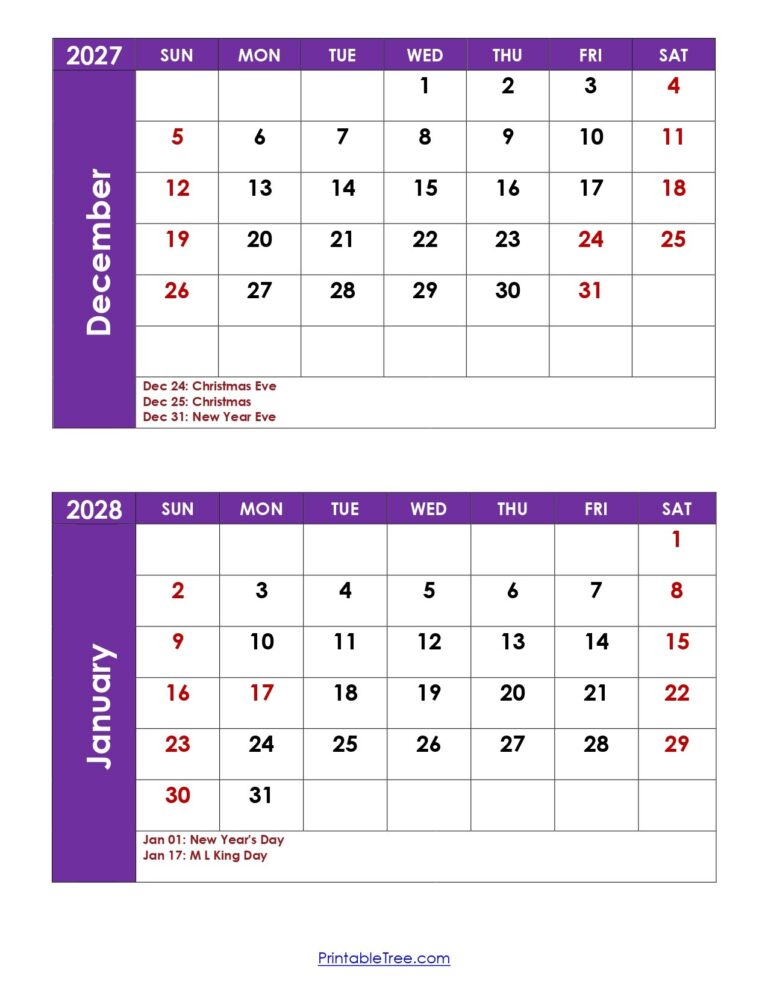
Tracking time until New Year is useful for many reasons. Events and parties need good planning, and consulting a detailed December 2027 calendar can help organize your schedule effectively. People set goals and want to see how much time to prepare. Having a countdown can keep motivation strong.
Also, knowing days left helps manage work and holidays better. Many look forward to January 1 as a fresh start and want to make sure they are ready.
Basic Concepts of Date Calculation
Date calculation means finding the difference between two dates. This can be done by counting days or months, or both. The difference depends on the current date and target date.
Simple math shows how many days, weeks, or months remain. For example, knowing today’s date in 2026, you can count how many months until January 1, 2027. This helps organized planning.
Calculating Months Until January 1, 2027
Using Calendar Months for Accuracy
Using calendar months means counting whole months left in the year. If today is mid-2026, there are usually 5 to 6 calendar months remaining until January 1, 2027. This system is easy and clear.
Calendar months let you see bigger time chunks instead of just counting days. This is useful when thinking about events far ahead. It gives a good sense of timing for the New Year.
Difference Between Months and Days Counting
Counting months is not the same as counting days. Months are bigger units that can include many days. Days counting shows exact time left but in small steps.
Both ways matter when tracking time. Sometimes you need full months for planning. Other times, specific days help track closer deadlines.
Counting Full Months Only
Counting full months means ignoring leftover days. For example, from August 2026 to January 2027 is five full months. This count stops at the start of January 1, 2027.
This method simplifies long-term planning. It fits simple calendars and is easier for guesses about time left or past.
Including Partial Months in Calculations
Partial months add extra days to full months. For example, if today is August 15, you have half of August plus September through December before January 1. Partial counting is more precise.
Including partial months helps with specific event planning. The time until New Year’s Day 2027 can be clearer using partial days and weeks too.
Converting Days and Weeks to Months
Understanding Weeks and Days Remaining
Weeks and days help break down months into smaller parts. There are usually about 4 weeks in a month. Counting weeks to January 1, 2027 shows how time feels passing.
Knowing how many weeks plus days remain provides better date difference understanding. It helps answer how many weeks weeks and days until January 1, 2027 fall.
How 90 Days Translate to Months
About 90 days equal three months. Knowing this helps convert days to a month view. People often count 3 months for each 90-day period left before 2027.
This conversion is useful if days countdown is easier than months. For example, 180 days means about 6 months remaining. These quick changes aid planning.
For those wanting numeric details, online resources like this site on months until January 1, 2027 provide real-time answers and updates.
January 1, 2027 Specifics
Day of the Week and Week Number
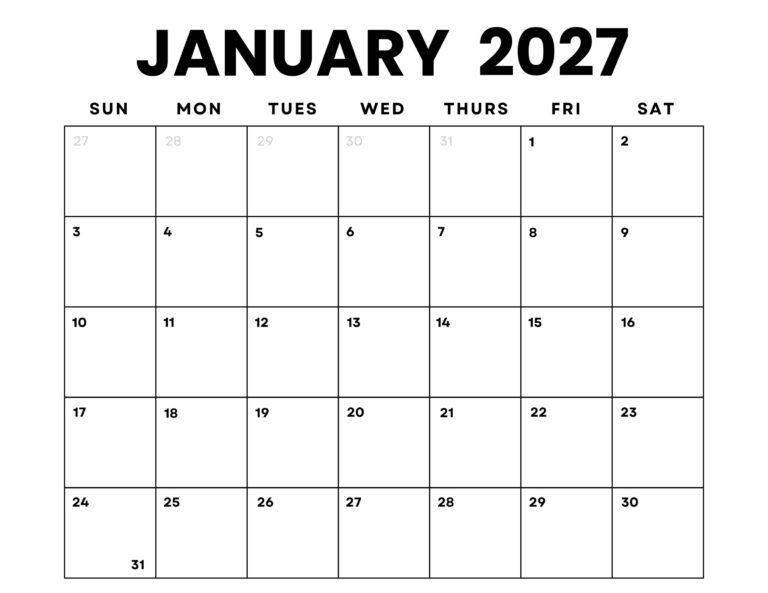
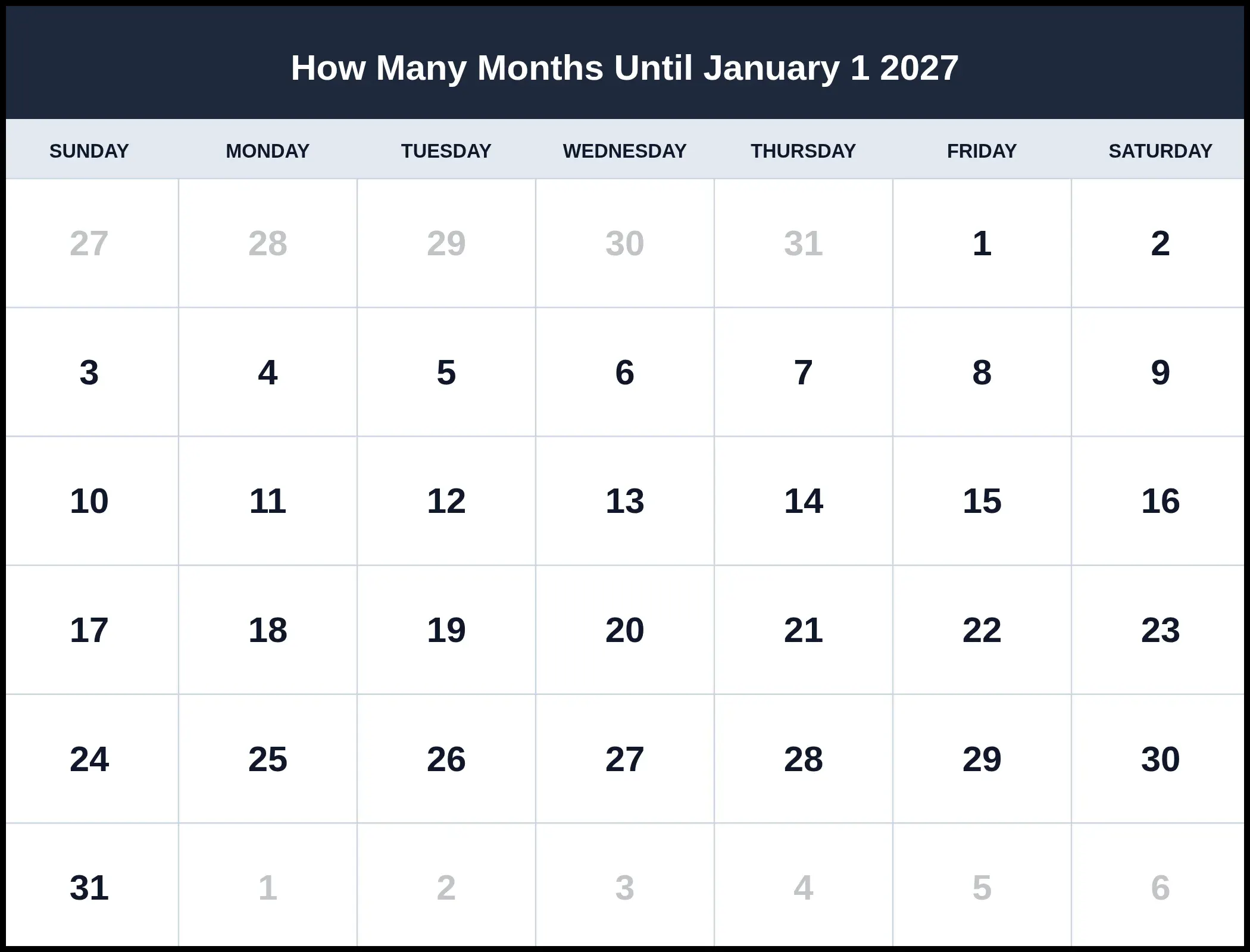
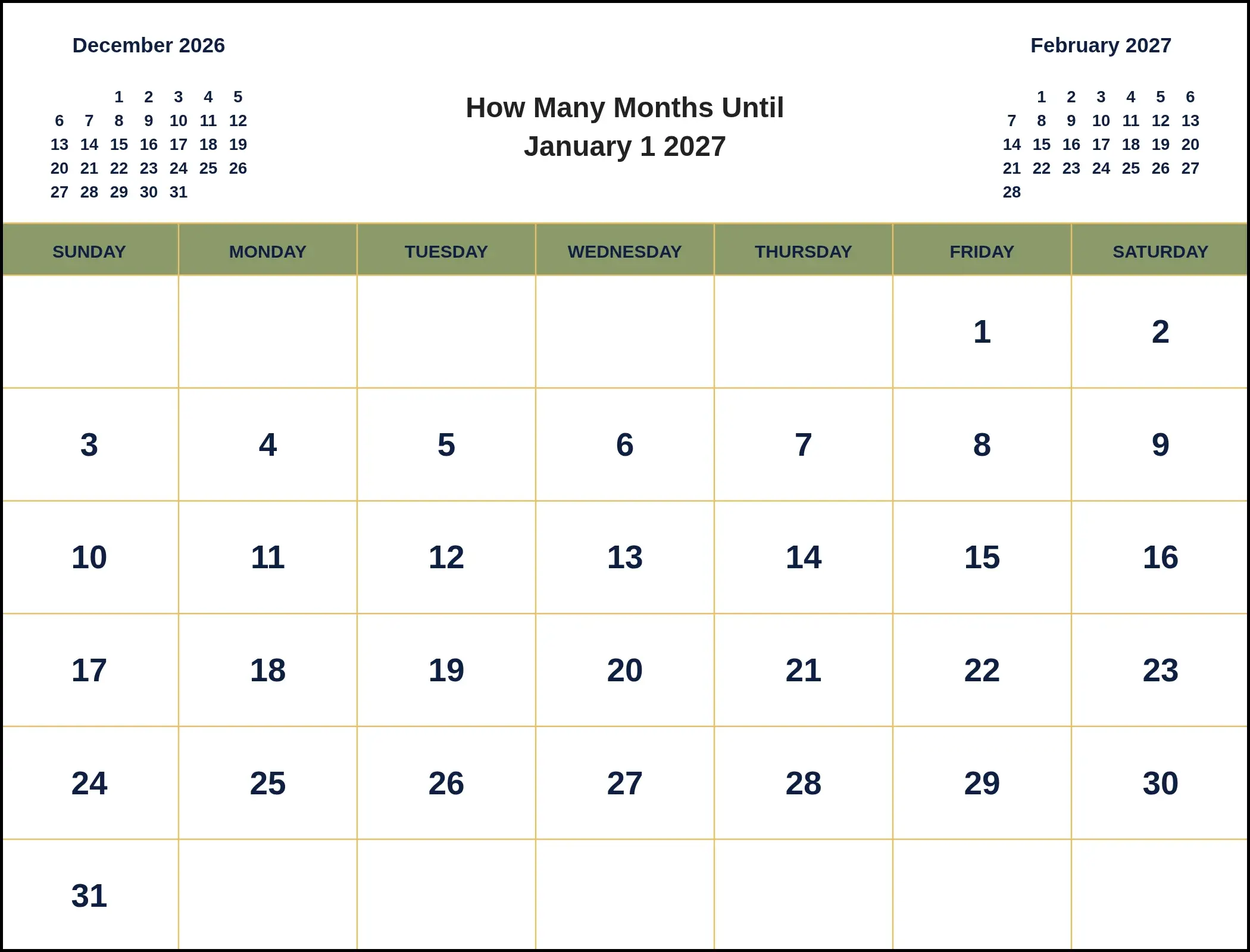
January 1, 2027, falls on a Friday, marking the transition from the final days of the previous year’s calendar week 53 into the beginning of the new quarter, Q1. For those planning ahead, consulting a detailed layout that includes the months leading up to this date, such as the comprehensive overview found in the detailed guide to the last quarter months of 2027, can be especially helpful.
Knowing the day and week number helps with scheduling events and work deadlines around that time. Many calendars list weeks by number, so this fits well.
January 2027 Calendar Overview
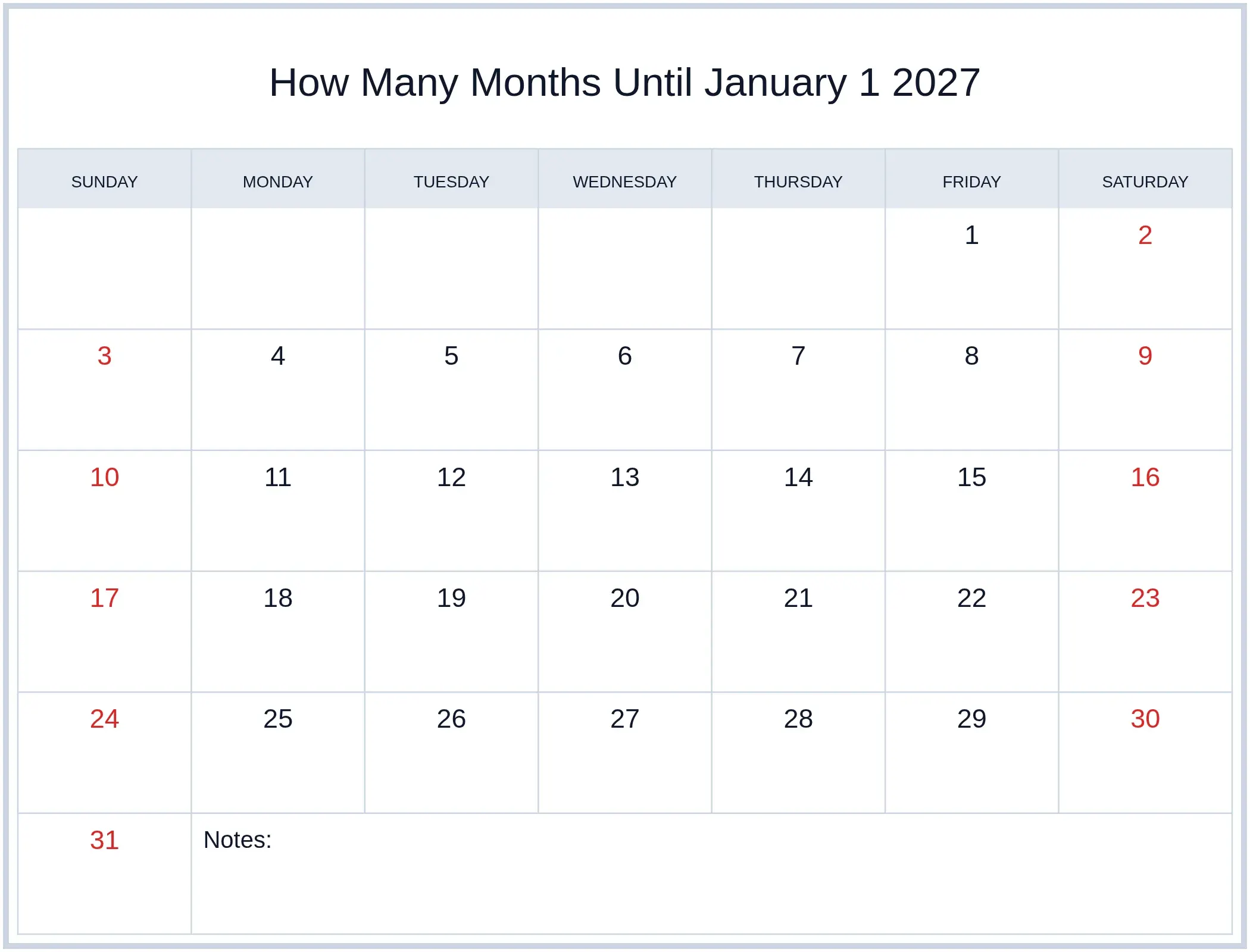
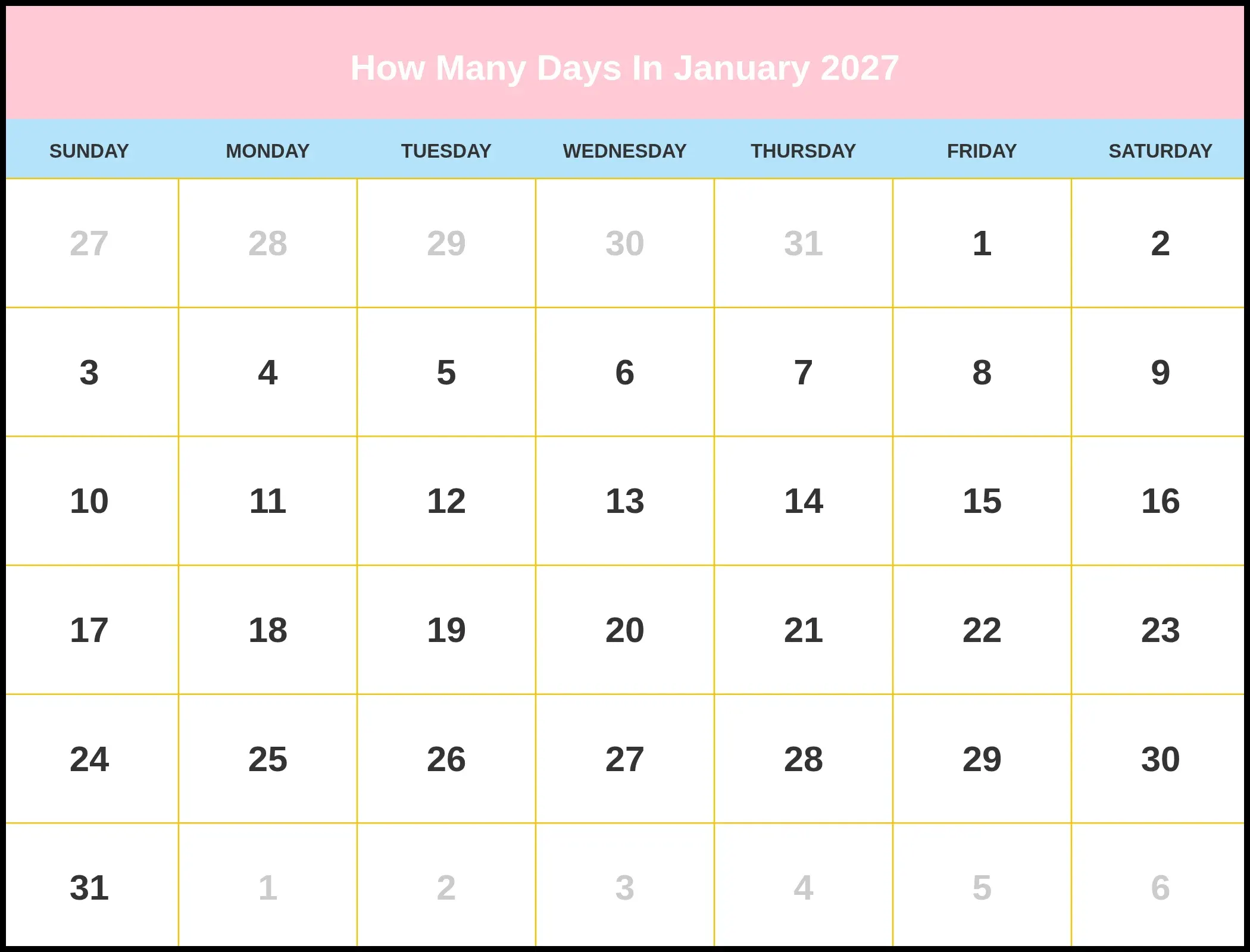
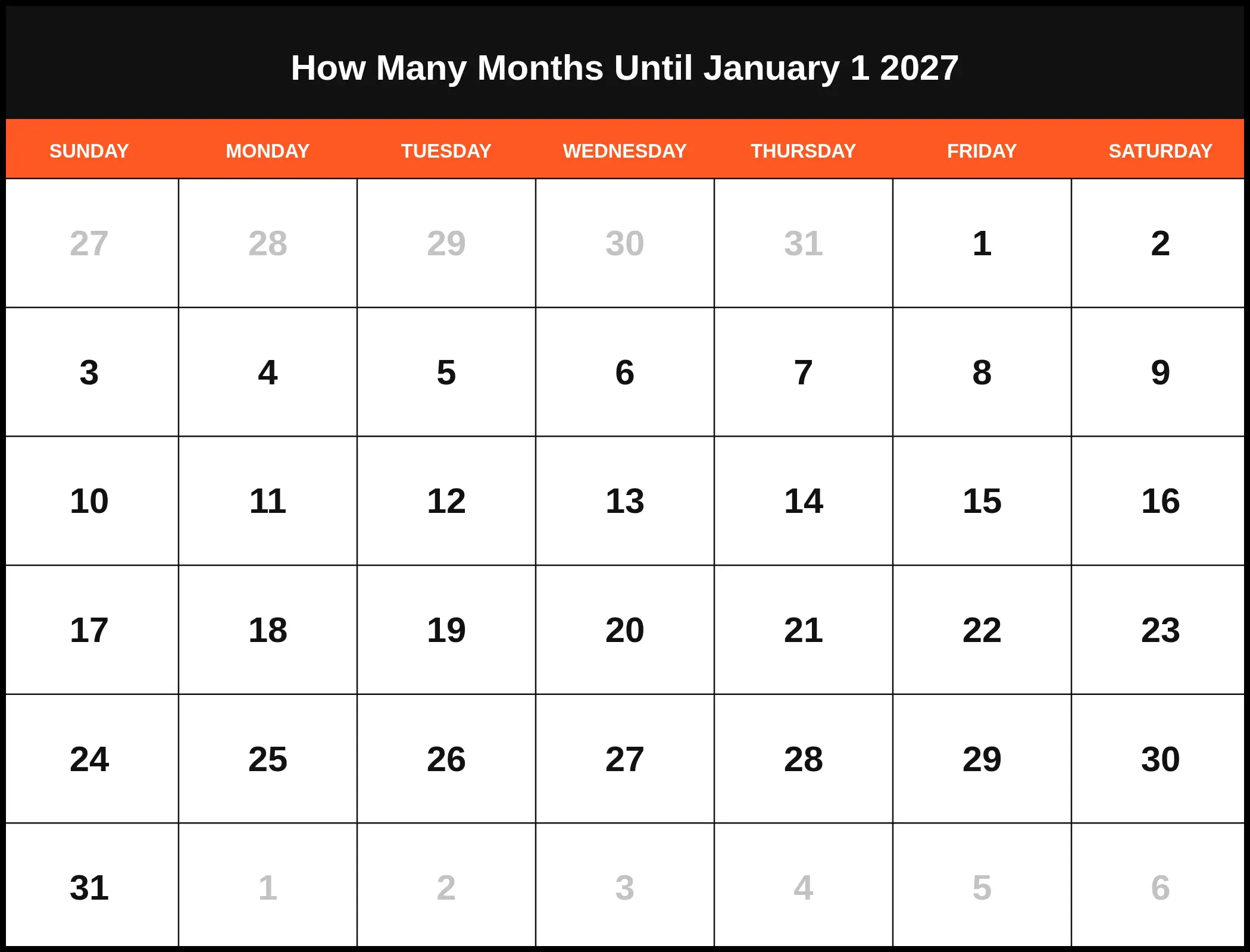
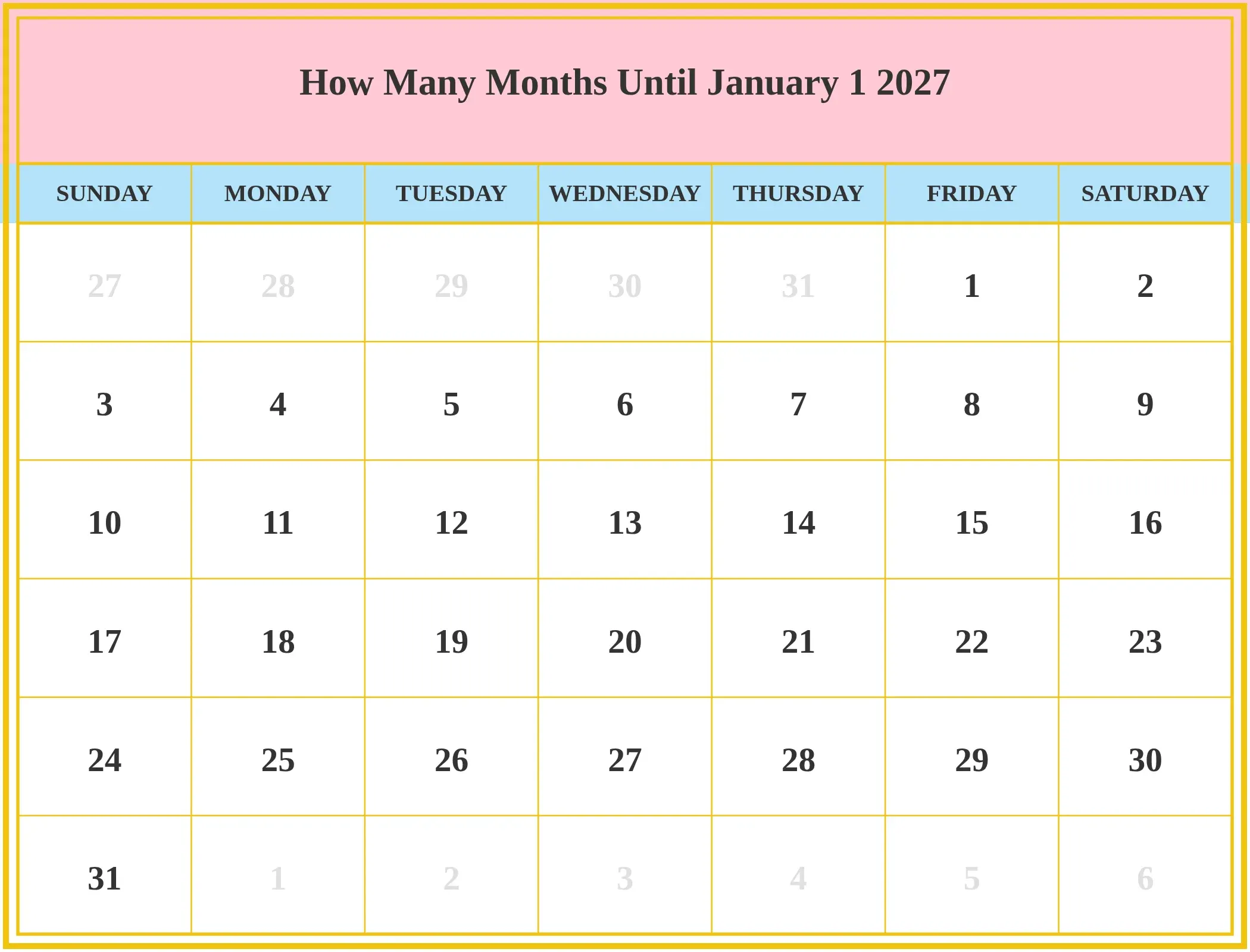
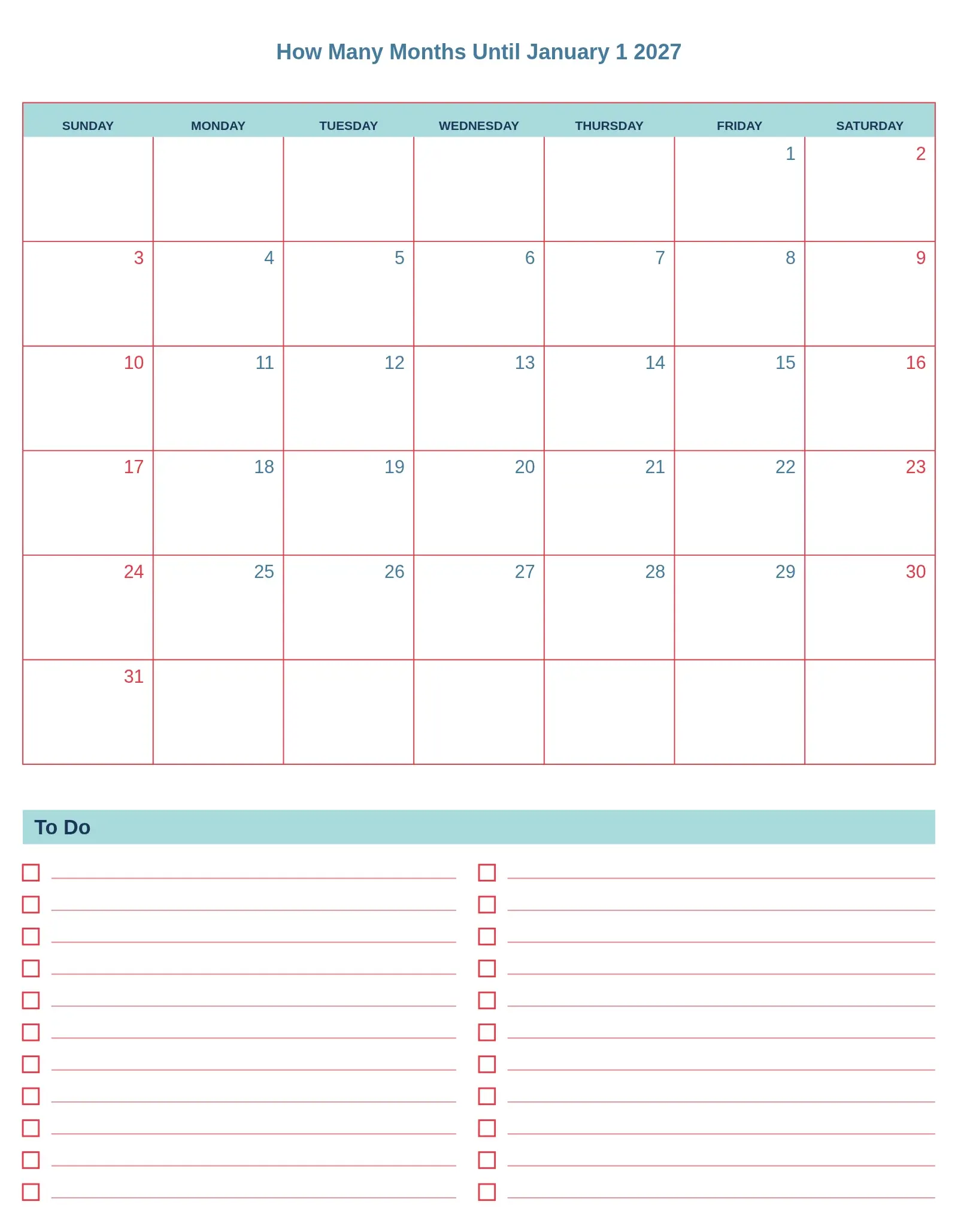
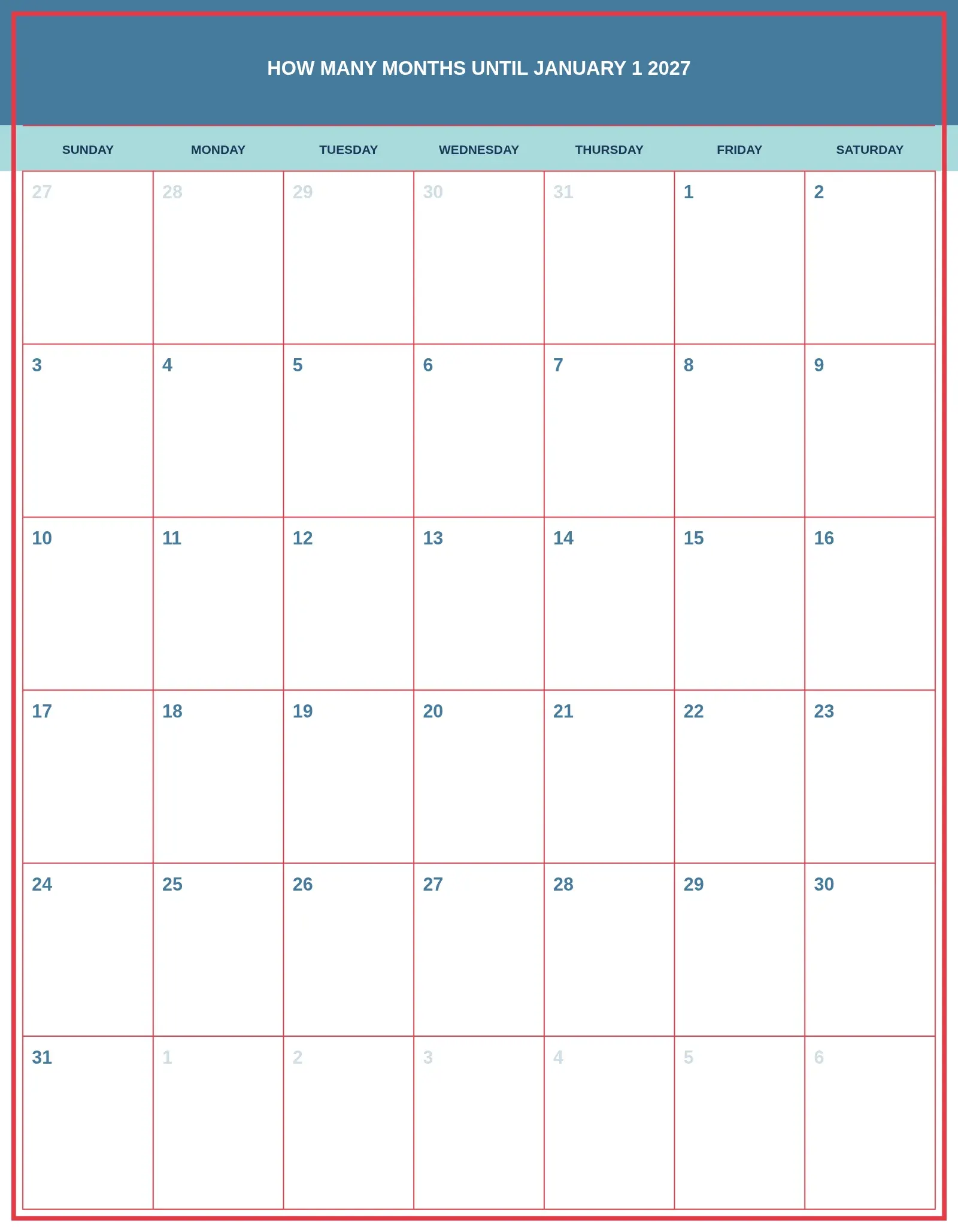
January 2027 has 31 days. The month starts smoothly after the New Year holiday. It is a fresh start to the New Year with many work and school days.
Looking at January 2027 in detail helps people plan the start of the year. If you want to check months after December 2026, see reliable sources like the detailed Calendar of March 2027 details page and related calendars.
| Detail | Information |
|---|---|
| Day of Week | Friday |
| Week Number | 53 (2026) |
| Month | January 2027 |
| Days in Month | 31 |
Planning ahead can be supported by looking at monthly calendars like ones for late 2027. For instance, information about the last months of 2027 can be very helpful when considering annual goals.
Tools and Methods for Time Calculation
Online Countdown Timers
Online countdown timers show time left until January 1, 2027 in days, hours, minutes, and seconds. These timers update every moment to keep countdown exact.
Using these timers is fun and useful. You get a clear view of how fast or slow the year moves towards New Year’s Day.
Date Calculators and Apps
Date calculators help find time difference between today and January 1, 2027. Most apps also consider calendar months and help do math automatically.
Many use smartphone or computer apps for easy date tracking. Apps can show both months and days left, including details on weeks plus days to the event.
Try apps that combine time zone and daylight saving adjustments for accurate countdowns. For example, check a live countdown for New Year 2027 using a trusted source like this countdown timer for January 1, 2027.
Implications of Time Zones and DST
Effect of Time Zone Differences
Time zones cause the date and hour to change depending on location. January 1, 2027 arrives earlier in some countries than others.
This affects when countdowns reach zero for people in different world areas. Using date tools with time zone setting is crucial for correct timing.
Impact of Daylight Saving Time Changes
Daylight saving time (DST) shifts clocks forward or backward. DST can affect countdowns by an hour, especially in late 2026.
Considering DST keeps countdowns accurate for countries changing clocks. Not looking at DST can cause small errors in plans around January 1, 2027.
Practical Uses of Knowing Time Until January 1, 2027
Planning Events and Celebrations
Knowing the exact months and days left until January 1 helps plan parties and events. You can book venues or send invitations on time.
Many use months remaining to space out preparations and decorations. Counting weeks and days helps create detailed to-do lists.
Goal Setting for the New Year
People often set goals tied to the New Year. Seeing the time until January 1 gives a clear deadline for finishing tasks or starting fresh.
This countdown motivates people. They manage time efficiently and reach goals by the New Year’s start. For an early look at upcoming months after January, exploring calendars for mid-year is good, such as the two-month view of July and August 2027.
By knowing months, weeks, and days left until January 1, 2027, anyone can plan better and enjoy the New Year more. Counting time with care is a smart way forward.
For those managing projects or holidays, even late months such as December can be checked for days left in 2026 with a detailed page about December planning. This ensures no last-minute surprises before 2027.
| Time Unit | Approximate Count |
|---|---|
| Months Remaining | 5 full months (varies by current date) |
| Weeks Remaining | 22 to 23 weeks |
| Days Remaining | 150 to 160 days |
Simple counting plus reliable tools give the clearest picture of time left toward the New Year. Stay aware of your local time zone and any daylight saving changes for perfect timing.
Keep using accurate countdown timers and date apps for up-to-date info. Your year-end plans will be smooth and ready to start fresh in January 2027.
| Tip | Benefit |
|---|---|
| Use countdown timers online | Real-time updates with hours, minutes, seconds |
| Count full and partial months | More precise planning |
| Adjust for time zone and DST | Avoid timing mistakes |
| Plan events early by months remaining | Less stress, better organization |
Use these strategies to make the days until January 1, 2027, clear and helpful. Waiting for the start of the new year can be exciting and organized with the right tools.
Frequently Asked Questions
How long is January 1, 2027 from now?
January 1, 2027 is about 5 months and some days away from mid-2026, depending on the current exact date. You can check a countdown timer to get an exact time including days, hours, and minutes.
How far away is January of 2027?
January 2027 starts roughly in about 5 to 6 months from mid-2026, based on counting the calendar months left in the current year.
How many months from now till January 2027?
From mid-year 2026, there are about 5 full months remaining until January 2027 begins.
How many Fridays until January 1, 2027?
Counting Fridays until January 1, 2027 shows there are roughly 23 Fridays left, as January 1, 2027 falls on a Friday.

Philip Kowalski Is A Savvy Web Builder And Local Seo Aficionado Dedicated To Helping Users Navigate The Annual Chaos. With A Unique Flair For Design And Optimization, He Transforms Ideas Into Engaging Digital Experiences. Join Him On A Journey To Elevate Productivity With Expertly Crafted Printables.