Introduction to February 2027 Moon Phases
Overview of Moon Phases in February 2027

The moon phases in February 2027 follow a clear pattern. The month starts with a Waning Crescent phase. On February 6, there is a New Moon that also causes a solar eclipse, a rare event where the moon blocks the sun. After this, the moon grows into a Waxing Crescent phase until mid-month.
Later, a bright Full Moon lights the night sky. Finally, the month ends with the moon moving back into a Waning Crescent. These phases give us a full lunar cycle and special celestial events to watch.
Tracking these phases helps with planning night events and understanding nature’s cycles.
Importance of Tracking Moon Phases
Knowing the moon phases is important for many reasons. Farmers use them to decide when to plant crops. Fishermen watch the moon to catch more fish. Some people follow moon phases for their health and mood changes. It also helps sky watchers know the best time to see stars.
In February 2027, tracking is extra useful because of the solar and penumbral lunar eclipses. These events only happen in certain moon phases. Observers gather data on moon age, illumination, and orbit nodes to predict these events precisely.
Following moon phases connects us to natural rhythms and helps us learn more about space.
Detailed February 2027 Moon Phase Calendar
Moon Phases Breakdown by Date
Waning Crescent Phase Early February
The month begins with the moon in its Waning Crescent phase. This phase means the moon is shrinking in visibility, with less than half of its surface lit up. It appears as a thin crescent just before the new moon occurs. This phase runs through the first few days of February.

During this time, moon visibility is low at night, and moonrise and moonset times change daily. The sunlit portion is mostly on the left side of the moon’s disk in the Northern Hemisphere. This phase tells us the lunar cycle is ending soon.
It’s a quiet time in the lunar calendar to reflect and prepare for the new lunar cycle ahead.
New Moon and Solar Eclipse on February 6
The New Moon on February 6, 2027, is the month’s highlight. This phase means the moon is between the Earth and the sun, so the side facing Earth is dark. That day, a solar eclipse happens when the moon blocks the sun’s light partially or fully.
This solar eclipse is a key event caused by the moon orbit passing through its descending node. The eclipse timing is precise and shifts slightly in different locations. Observers in certain regions can see the sun obscured, making it a thrilling experience.
Because of the eclipse, sunlit portion and moon age details get special attention by scientists and enthusiasts alike.
For a detailed daily lunar calendar and eclipse timings, you may visit Catalina Sky Survey – February 2027 Moon Phases.
Waxing Crescent from February 7 to 19
After the New Moon, the moon enters the Waxing Crescent phase. During this period, it slowly gains light each night. The sunlit part grows from the right side. This change is visible in moon age and illumination data.
The crescent widens night by night, making early moonrise and late moonset times shift. People watching from Pacific Standard Time zones and GMT will notice small differences in visibility. The moon’s orbit and its position from Earth create these changing patterns.
This phase is linked to new beginnings and energy building in astrology. People often feel more awake and active in this phase.
Full Moon Overview (if applicable)
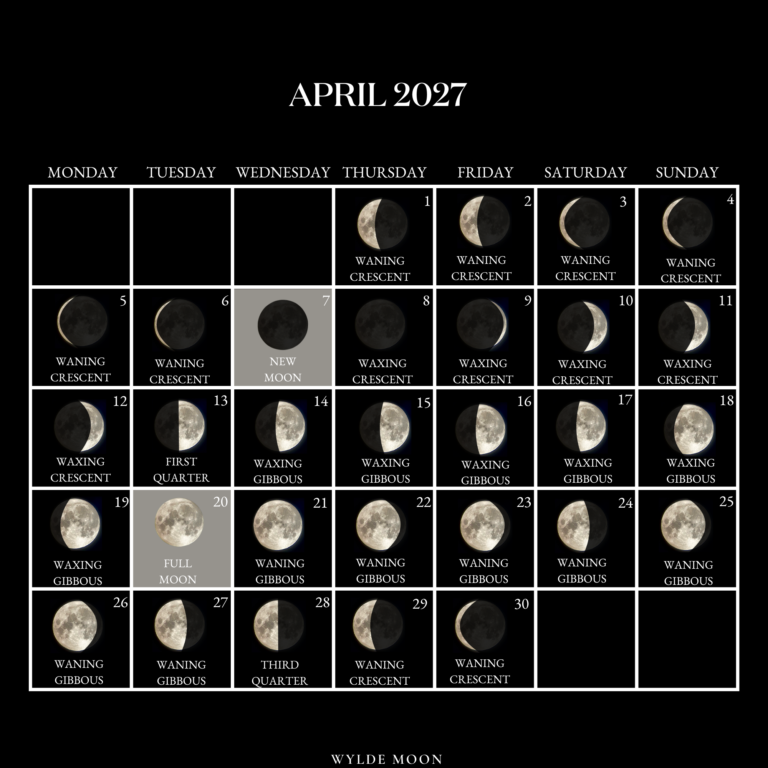
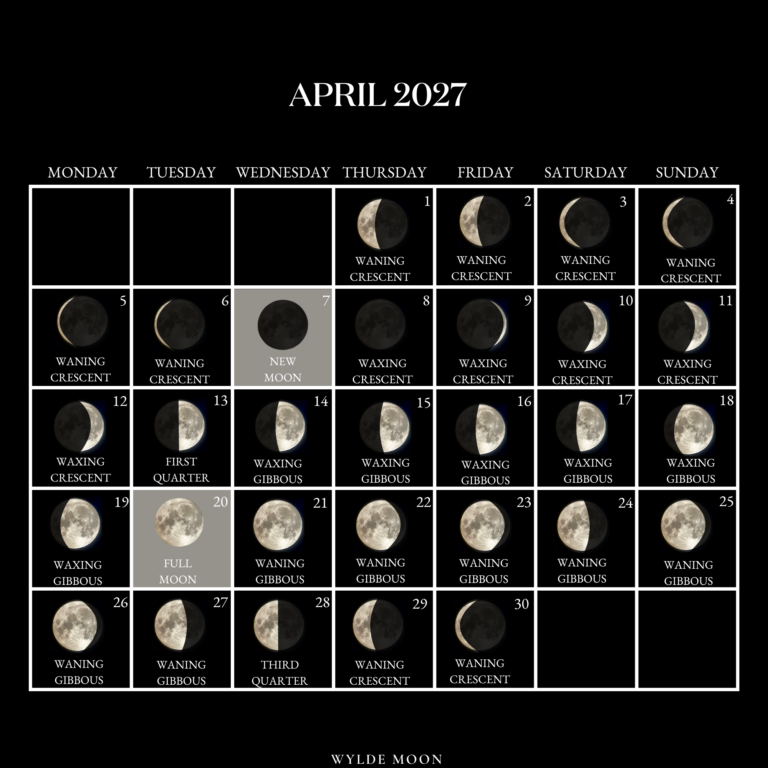
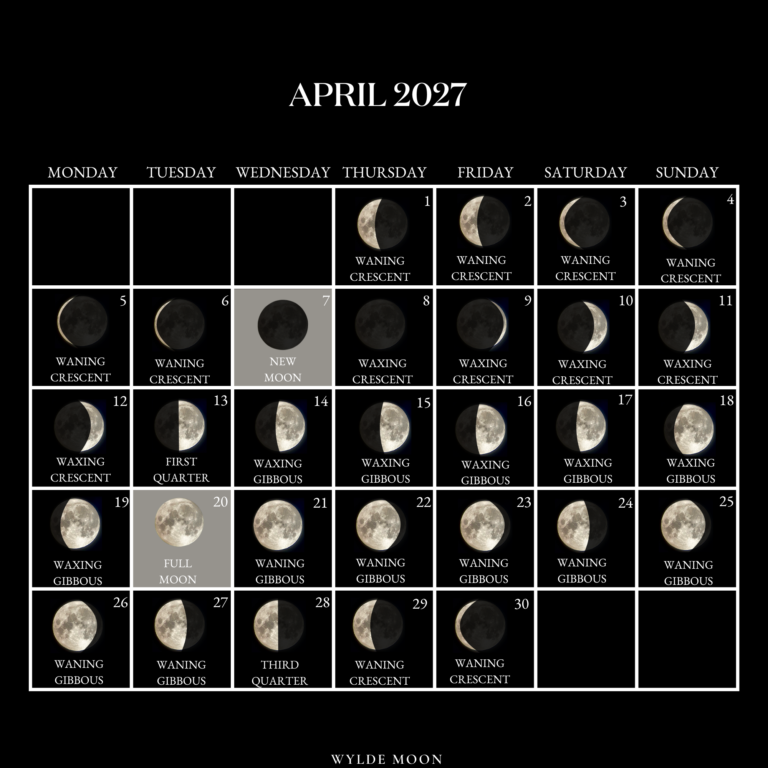
The Full Moon for February 2027 falls in mid or late month, lighting the entire face of the moon. Its illumination reaches 100%, meaning the sunlit side faces Earth fully. For those interested in lunar phases, exploring the detailed information on how to prepare for the upcoming new moon in April 2027 can enhance your understanding of the moon’s cycles. The full moon rises at sunset and sets at sunrise, providing all night brightness.

This phase is the peak of the lunar cycle and symbolizes completeness in nature and human moods. Stargazers can enjoy clear moon visibility, and many cultures celebrate this full moon with festivals and rituals.
Tracking moon rising and setting times is easier in this phase due to its regular and stable cycle.
| Date | Phase | Moon Illumination | Visibility |
|---|---|---|---|
| Feb 1-5 | Waning Crescent | Less than 25% | Early Morning Hours |
| Feb 6 | New Moon & Solar Eclipse | 0% | Daytime Eclipse Zones |
| Feb 7-19 | Waxing Crescent | 5% to 50% | Evening After Sunset |
| Mid-Late Feb | Full Moon | 100% | All Night |
Moon watchers appreciate seeing these phases visually and tracking changes through apps and observatories.
Waning Crescent End of February
After the Full Moon, the moon phases down to the Waning Crescent again. This means the lit part slowly shrinks. At the end of February, the moon shows a thin crescent, visible mainly before dawn.
The moon age increases but the illumination drops as the lunar cycle closes for February. This phase also links to reflection and rest in astrology.
Sky watchers should note changes in the moon’s rising and setting times during this phase, especially in Pacific and GMT zones.
Time Zones and Visibility
Pacific Standard Time Moon Phases
Observers in Pacific Standard Time see moon phases shift slightly in timing compared to GMT. Moonrise and moonset happen later in local time. For example, the New Moon eclipse on February 6 might show during early morning or late evening depending on location.

Moon visibility varies with weather and horizon view. Pacific watchers must check local lunar calendars for exact moon phase dates and eclipse peaks.
The lunar calendar in PST helps hunters, farmers, and night photographers plan key activities.
GMT/UT Moon Phases
GMT or UT users see moon phases at exact universal times. The February 2027 moon phases and eclipse timings often appear earlier than PST. This means the New Moon and eclipses can happen during daytime or evening.
As we approach the start of 2027, many are curious about the significance of the upcoming lunar phases. If you’re wondering when the next New Moon will occur and how it might influence your plans, you might ask, what date does the New Moon in January 2027 fall on and why does it matter? Understanding this can help you align your activities with natural cycles for better results.
For those curious about lunar events, you might wonder when the next significant lunar phase occurs in spring; specifically, have you checked when the full moon will illuminate the night sky in May 2027? Exploring details about this celestial event can offer insights into its timing and cultural significance, which you can find by visiting have you checked when the full moon will illuminate the night sky in May 2027?.
For those planning their lunar observations or simply curious about celestial events, understanding the timing of the full moon can enhance your experience. To find out more about when the full moon will be visible in early 2027, you can explore detailed information about how the full moon in January 2027 will unfold and its exact dates, helping you prepare for this beautiful natural spectacle.
The descending node of the moon’s orbit affects eclipse timing precisely at these world times. Moon age and illumination data from GMT are used globally for research and teaching.
Knowing these times helps travelers and astronomers align their observations.
| Phase | Pacific Standard Time | GMT/UT |
|---|---|---|
| New Moon / Solar Eclipse | February 6, early morning | February 6, late afternoon |
| Waxing Crescent | Feb 7 – Feb 19, evenings | Feb 7 – Feb 19, late afternoons |
| Full Moon | Mid to late February, all night | Mid to late February, all night |
| Waning Crescent | Late February, early mornings | Late February, early mornings |
Scientific and Astronomical Aspects

Moon Orbit and Nodes
Descending Node and Eclipse Details
The moon’s orbit around Earth is tilted, crossing the sun’s path at two points. One of these points is the Descending Node, where the moon moves south across the ecliptic plane. In February 2027, the New Moon rises near this node, causing the solar eclipse on February 6.
This alignment is rare and requires precise timing. The moon’s shadow falls on Earth, creating areas where the sun light is blocked partially or fully. This explains the solar eclipse’s path and visibility range.
The penumbral lunar eclipse on February 20 also relates to the moon orbit nodes, where the moon passes through Earth’s lighter shadow.
Moon Illumination and Age
Moon illumination measures how much sunlit part faces Earth. The new moon is zero illumination. Full moon is 100%. Moon age is how many days passed since the last new moon. In February 2027, the moon age resets on February 6 with the New Moon.
Illumination grows in the Waxing Crescent phase and shrinks in Waning phases. Tracking these helps astronomers predict visibility and phase quality.
Moon illumination also guides photographers and astrologers for their work.
Sunlit Portion Orientation

The sunlit portion of the moon changes throughout the phases. In the Northern Hemisphere, it starts on the right side at the New Moon turning Waxing Crescent, then moves fully visible at Full Moon.
In the Waning phases, the lit part shrinks from the left side. This direction reflects the moon’s orbit in relation to the sun and Earth.
Understanding this helps explain why the moon looks different around the world.
Astronomical Events in February 2027
Penumbral Lunar Eclipse on February 20
On February 20, 2027, a penumbral lunar eclipse will occur. This event happens when the moon passes through Earth’s penumbra, or outer shadow. It causes a subtle darkening of the moon’s surface.
This eclipse is less dramatic than a total lunar eclipse but still important for astronomers. The moon’s visibility reduces slightly, and the sunlit portion appears dimmed in specific areas.
Observers can track the eclipse at different times, depending on their local time zone and moonrise or moonset.
Solar Eclipse Timing and Impact
The solar eclipse linked to the New Moon on February 6 affects daylight visibility. Some regions will see the sun partially covered, changing sunlight conditions briefly. This eclipse is linked to the moon’s position near the descending node.

It is a valuable opportunity for research and education on solar system movements. Watching safely with special glasses is recommended.
Frequently Asked Questions
What is the Moon phase in February 2027?
February 2027 includes phases such as Waning Crescent, New Moon combined with a Solar Eclipse, Waxing Crescent, a Full Moon, and another Waning Crescent phase toward the month’s end.
What is special about February 2027?
February 2027 is notable for hosting both a New Moon on February 6, which aligns with a Solar Eclipse, and a Penumbral Lunar Eclipse on February 20. These events are rare and impact moon visibility.
What special moon is in February?
The New Moon on February 6, 2027, is special due to its alignment causing a Solar Eclipse. Also, the Full Moon later that month illuminates the sky fully, marking an important lunar phase.
What is the most powerful moon phase?
Many consider the Full Moon as the most powerful due to its full illumination and cultural significance. It often relates to peak energy and emotional influence, especially in astrology.
When does the February 2027 new moon occur?
The New Moon in February 2027 happens on the 6th day of the month, marking the start of the moon’s new lunar cycle and coinciding with a solar eclipse that day.

Philip Kowalski Is A Savvy Web Builder And Local Seo Aficionado Dedicated To Helping Users Navigate The Annual Chaos. With A Unique Flair For Design And Optimization, He Transforms Ideas Into Engaging Digital Experiences. Join Him On A Journey To Elevate Productivity With Expertly Crafted Printables.