Overview of the February 2027 Full Moon
The February 2027 full moon is a bright and clear event in the lunar calendar. It will be visible in many parts of the world. This moon shines fully as it reaches the peak of its cycle.
The full moon marks a key moment in the moon’s orbit and affects many natural cycles.
Date and Timing Details
Exact date and time of Full Moon
The full moon in February 2027 is on February 20th. The exact time it reaches full phase is at 02:22 UTC. This is when the moon shows 100% illumination. It means it is fully lit by the sun and looks like a perfect round circle.
At this time, the moon is at its closest to Earth in its orbit for the month, making it appear bigger and brighter to observers.
Moon phase progression in February 2027
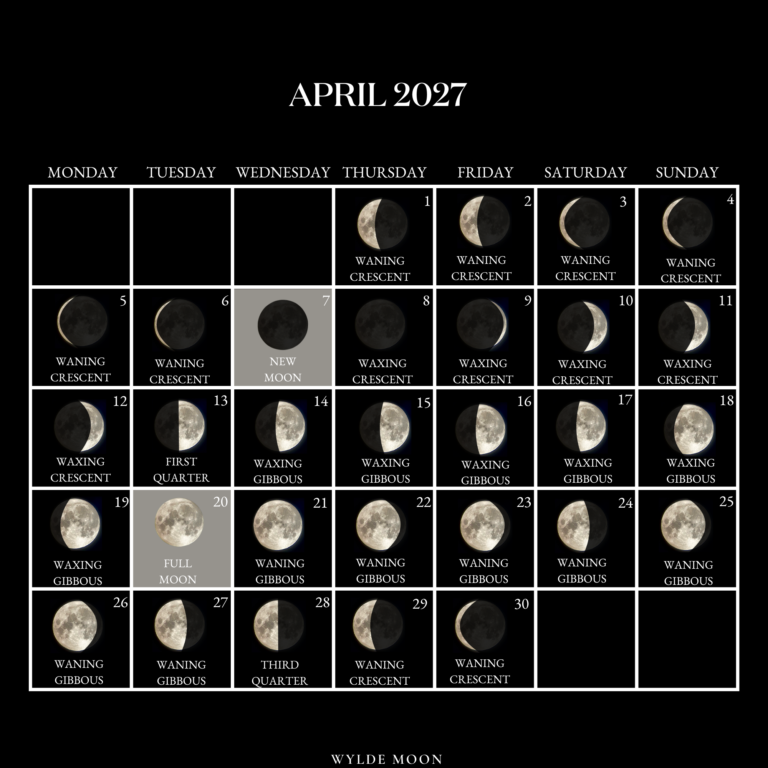
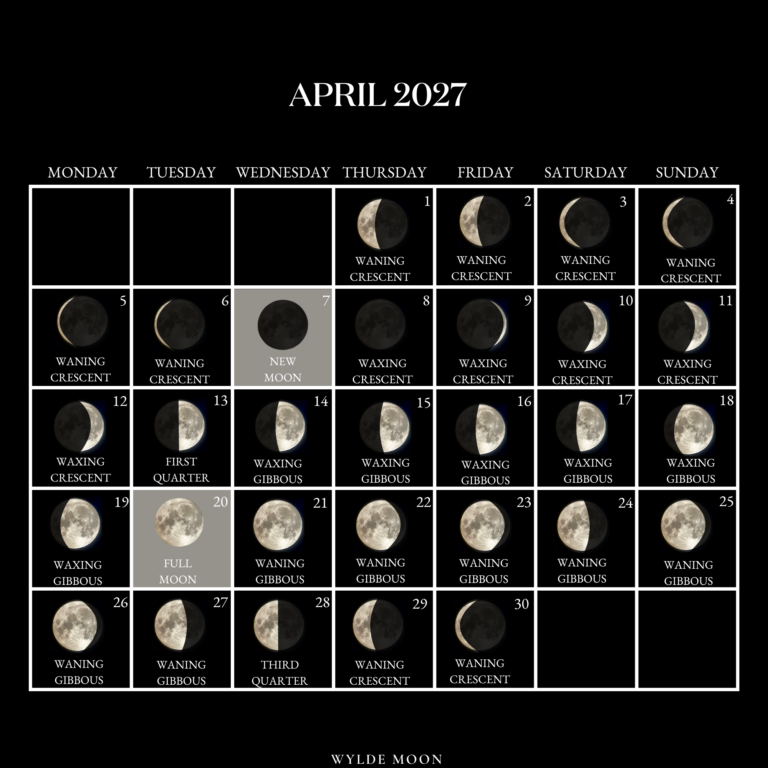
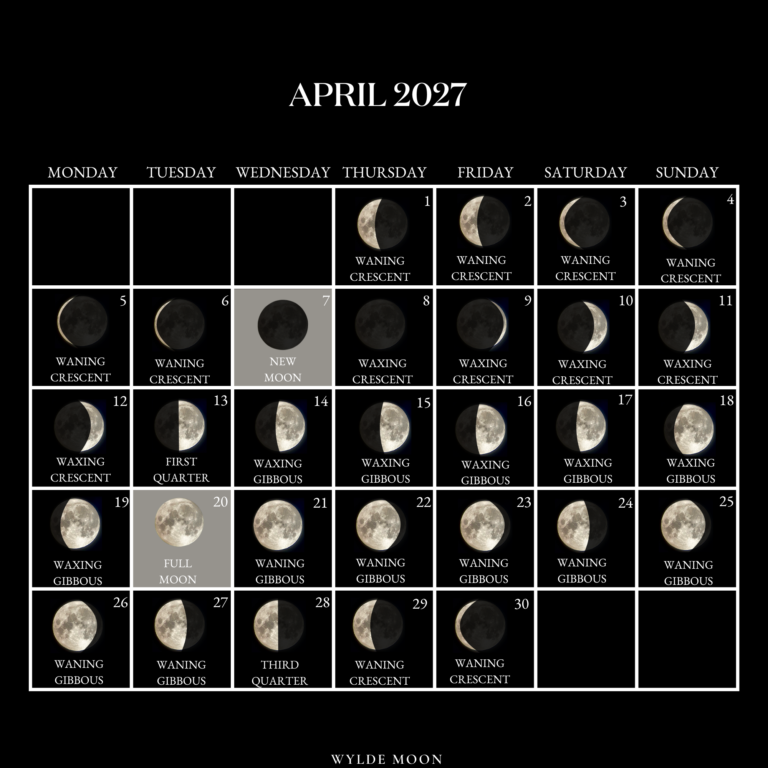
February 2027 has a clear sequence of moon phases. The new moon happens early in the month. Then, the first quarter moon occurs on February 12th. After the full moon on February 20th, the moon moves into the waning gibbous phase, similar to how you can track the changing phases leading up to the full moon in September 2027.
The third quarter moon appears later on February 27th. This phase marks the moon’s last quarter before it becomes new again. The moon’s phases move in a rhythm that repeats every month.
For more detailed moon phase timings, you can check the February 2027 moon phases calendar.
Significance of the Full Moon in February
100% illumination meaning
When the moon reaches 100% illumination, it means sunlight fully lights the side facing Earth. This stage is called the full moon. It is a time when the moon looks its brightest and largest in the night sky.
This full brightness can affect tides and is often linked with many cultural and natural events.
Moon in constellation Leo
In February 2027, the full moon appears in the constellation Leo. Leo is a star group shaped like a lion, but if you’re curious about when the full moon will appear next, have you wondered when the full moon in May 2027 will occur? You can find more details about that event if you want to know when the full moon in May 2027 will be. This gives the full moon a special sky position and can affect its color and the way it moves.
Watching the moon in Leo helps astronomers understand the moon’s path through the sky.
Penumbral Lunar Eclipse in February 2027
What is a penumbral lunar eclipse?
A penumbral lunar eclipse happens when the moon passes through the Earth’s penumbra. The penumbra is the lighter part of Earth’s shadow.
During this eclipse, the moon will look a bit dimmer but not fully dark. This makes it a subtle change, often hard to notice without good sky conditions.
Details of February 20, 2027 eclipse
The penumbral lunar eclipse on February 20, 2027, occurs at the same time as the full moon. This coincidence makes the February full moon even more interesting to watch.
The eclipse begins around 01:35 UTC and ends at 04:50 UTC, with the peak at 03:12 UTC. During the peak, the moon’s brightness dips slightly, creating a soft shading effect.
Umbral magnitude explanation
While this eclipse is penumbral, there is a term called umbral magnitude. It measures how much the moon enters Earth’s darkest shadow, the umbra.
For this eclipse, the umbral magnitude is near zero, meaning the moon does not enter the umbra at all. Instead, it only passes through the penumbra, thus only a subtle shading is seen.
Moon’s descending node role
The moon’s path crosses points called nodes. The descending node is where the moon crosses from north to south of Earth’s orbit plane. Lunar eclipses occur near these nodes.
On February 20, 2027, the moon is near its descending node. This alignment allows the penumbral eclipse to happen during the full moon phase.
Moon Phases throughout February 2027
Full Moon and Waning Gibbous phases
After the full moon on February 20th, the moon moves into the waning gibbous phase. This phase lasts for several days as the moon slowly becomes less bright.
The waning gibbous phase continues until about February 25th. The moon looks partially lit but shrinking each night.
Waning Gibbous dates and visibility
Waning gibbous in February 2027 is visible from February 21st to 25th. During these nights, the moon remains fairly bright and easy to see in the late evening.
The moon’s visibility fades slightly night by night. It rises later each day and sets later in the morning.
Following this, the third quarter phase begins just before the month ends.
Third Quarter Moon and other phases
The third quarter moon occurs on February 27, 2027. This phase shows half of the moon lit on the left side. It indicates the moon is moving closer to its new phase.
The third quarter moon rises around midnight and sets near noon. It is visible mainly in the early morning hours.
Third Quarter timing and characteristics
The third quarter marks the decline of lunar illumination. The moon’s age is about 21 days in the lunar cycle during this stage.
It sets the end of the February moon cycle, preparing for the next new moon which begins the next cycle in early March.
Tracking all these phases helps observers learn about the moon’s orbit and timing.
Observing the February 2027 Full Moon
Visibility and best viewing locations
The February 2027 full moon is visible almost worldwide. The best places to view it are areas with low light pollution and clear skies.
High places and open fields help get a clear view of the sky. During the penumbral lunar eclipse, it is best to watch when the moon is high above the horizon.
Because the eclipse is subtle, it helps to have binoculars or a telescope for better details.
As the year 2027 progresses, many look forward to the unique energy brought by lunar phases, especially the upcoming new moon in December. To better understand its timing and significance, you can explore detailed information and plan accordingly by checking the specific details for the new moon in December 2027, which offers valuable insights for both astronomy enthusiasts and those interested in lunar cycles.
For those planning activities that depend on lunar cycles, it can be helpful to consult detailed resources that track the moon’s changes throughout the month. You can easily stay informed by checking out this helpful tool that lets you explore and understand how the moon phases evolve during March 2027, ensuring you never miss an important lunar event. Consider using this resource to actively follow and interpret the moon’s progression in March 2027 for your scheduling needs: explore the moon phases throughout March 2027 with this interactive calendar.
Nearby nights around the full moon are also good for moon watching.
Impact on tides and nature
The full moon affects tides by creating higher waves, called spring tides. These tides are strongest during full and new moons.
Animals and plants often respond to the moon’s light and cycle. For example, some animals use moonlight for hunting or mating.
This natural rhythm is linked to the lunar calendar and full moon phases each month.
February 2027 Lunar Calendar Summary
Complete dates of all phases
Here are the main lunar phases in February 2027:
| Phase | Date | Time (UTC) |
|---|---|---|
| New Moon | Feb 5 | 12:45 |
| First Quarter | Feb 12 | 16:08 |
| Full Moon | Feb 20 | 02:22 |
| Third Quarter | Feb 27 | 09:44 |
This chart shows the regular cycle of moon phases for February 2027.
Each phase moves the moon through its bright and dark cycle over 29.5 days.
These dates help observers plan viewing and learn about the moon’s monthly rhythm.
How phases shift monthly
The moon phases change a little every month because the lunar cycle is not exactly 30 days. It is about 29.5 days long. So, the phases occur on different dates and times each month.
This shift causes full moons to appear to move through the calendar across the year.
Nearby months like March or May 2027 also have clear full moon events. They help complete the yearly moon schedule.
For instance, you can explore the upcoming moon cycles in March and May 2027 for more changes in lunar timing and visibility. Learn about the March 2027 full moon details or the schedule in May 2027 moon phases.
Tracking these phases supports strong astronomy study throughout 2027.
Similarly, for deeper background on starting moon phases, see notes on the early December new moon timing.
And for comparison, the full moon timing in September 2027 offers insight on seasonal lunar shifts.
| Date | Moon Illumination (%) | Moon Age (Days) |
|---|---|---|
| February 10 | 74 | 6 |
| February 20 (Full Moon) | 100 | 15 |
| February 25 | 84 | 20 |
| February 27 (Third Quarter) | 50 | 22 |
The data in this table helps show how the moon brightness and age change during key phases.
Understanding these helps observers predict the moon’s appearance night by night.
The moon’s brightness reaches 100% only during the full moon phase. Other nights show fading or growing light.
| Event | Time (UTC) |
|---|---|
| Eclipse Begin | 01:35, Feb 20 |
| Maximum Eclipse | 03:12, Feb 20 |
| Eclipse End | 04:50, Feb 20 |
This table summarizes the fast penumbral lunar eclipse phases and timing for February 2027.
Observers in good locations should watch during these times for the subtle shading of the moon.
In conclusion, the February 2027 full moon and related lunar events provide astronomers and sky watchers a great chance to study and enjoy the moon’s phases, tidal effects, and eclipse phenomena. Tracking these events adds to our understanding of the moon’s orbit and relation to Earth and the stars.
Stay informed by using lunar calendars and watching the skies during these special nights. The February full moon, shining in Leo and accompanied by a gentle eclipse, is a unique spectacle not to miss.
Keep exploring lunar cycles across 2027 for richer knowledge and viewing experiences.
Frequently Asked Questions
What date is the full moon in February 2027?
The full moon in February 2027 occurs on the 20th of the month.
Does February have two full moons?
No, February 2027 has only one full moon.
Is February 28 a full moon?
No, the full moon is on February 20, not on the 28th.
What is special about the February full moon?
The February full moon is special because it reaches 100% illumination and appears in the constellation Leo. It also coincides with a penumbral lunar eclipse in 2027.

Philip Kowalski Is A Savvy Web Builder And Local Seo Aficionado Dedicated To Helping Users Navigate The Annual Chaos. With A Unique Flair For Design And Optimization, He Transforms Ideas Into Engaging Digital Experiences. Join Him On A Journey To Elevate Productivity With Expertly Crafted Printables.