Understanding the January Full Moon 2027
The January full moon in 2027 is a special event in the night sky. Sky watchers look forward to seeing the full moon light up the cold winter nights. In 2027, this full moon is called the Wolf Moon. It has a strong cultural and natural history connected to it.

This moon is part of the lunar cycle, which changes the moon’s shape each month. The January full moon also helps mark the start of a new year in many lunar calendars.
Date and Time Details
Exact full moon timing
On January 22, 2027, the moon reaches its full phase. The exact moment when 100% of the moon is lit happens at 12:17 GMT. This is the time when the moon appears fully round and bright from Earth.
Knowing this exact time helps astronomers and moon watchers plan their observation. The full moon is brightest at this moment. The rest of the night, it remains very bright but slowly changes.
Time zones and conversions
Because the full moon time is given in GMT, people in different parts of the world see it at different local times. For example, in the Pacific Standard Time zone (PST), the full moon occurs on January 21 at 4:17 AM.
This means that some may see the full moon late on January 21, while others see it on January 22, similar to how you can find detailed information about the upcoming phases by exploring the new moon in March 2027 through how the new moon in March 2027 unfolds. Most of the world experiences the peak fullness one way or another near this time.
Those who want exact details can check local lunar calendars or trusted astronomy websites like Griffith Observatory.
January Moon Phases Overview
New Moon on January 7
The January lunar cycle starts with a New Moon on January 7, 2027. This phase means the moon is between Earth and the sun, and its dark side faces Earth. The moon is not visible in the night sky during this time.
This New Moon sets the stage for the light to grow until the full moon around January 22.
First Quarter on January 15

On January 15, the moon reaches its First Quarter phase. Half of the moon’s face is lit, showing a clear half-circle shape in the sky. This phase happens about a week after the New Moon.
People notice the moon becoming brighter each night as it moves toward full.
Third Quarter on January 29
The third quarter happens on January 29, 2027. Here, half the moon’s face is lit again, but the opposite side compared to the first quarter.
This phase marks the waning cycle, where the moon’s visible light shrinks, leading toward the next new moon.
Each phase plays a role in the lunar calendar and how people observe the moon.
| Moon Phase | Date | Visibility |
|---|---|---|
| New Moon | January 7, 2027 | Invisible at night |
| First Quarter | January 15, 2027 | Half lit in evening |
| Full Moon (Wolf Moon) | January 22, 2027 | Fully lit all night |
| Third Quarter | January 29, 2027 | Half lit late night |
Between these phases, the moon shape shifts daily. This slow change guides nighttime activities and has meaning in many cultures.
The Wolf Moon Significance
Name Origins
Anglo-Saxon culture
The Wolf Moon gets its name from old Anglo-Saxon times. They called this moon the ‘Wolf Moon’ because wolves were often heard howling in winter nights around January.
This name reflects the cold and wild feeling of the season, which suits the moon lighting up those dark evenings.
Relation to Yule celebrations
January’s full moon also links to Yule, a midwinter festival. The moon helped mark time for these ancient celebrations all around Europe.
People believed the full moon offered power and light during the longest dark period of the year.

The Wolf Moon was often seen as a guide and protector during these cold nights.
For more about how these moon names came to be, check out the rich January 2027 lunar calendar events.
Folklore and Traditions
Wolf Moon legends worldwide
Around the world, the Wolf Moon carries many stories. Some Native American tribes also used this name for the January moon.
It often represents new beginnings and strength during cold, challenging times. The moon’s bright light was seen as a symbol of hope.
Modern cultural meanings
Today, many enjoy the Wolf Moon as a moment to reflect and reset goals. Some use it in astrology to plan changes and growth.
It shows how old stories mix with modern science and belief to create a shared experience.
| Culture | Wolf Moon View |
|---|---|
| Anglo-Saxon | Named for wolves howling in winter |
| Native American | Symbol of strength and survival |
| Modern Astrology | Time for reflection and change |
People now use these stories to connect with nature and appreciate the night sky’s beauty.
Astronomical Aspects
Moon’s Position in the Sky

Constellation Cancer alignment
During the January 22 full moon, the moon appears near the Cancer constellation. This grouping of stars adds a special meaning to the moon’s position.
Cancer is linked with home and emotions, which blends nicely with the winter mood.
Visibility and brightness
On the night of January 22, the Wolf Moon is fully visible almost everywhere on Earth. Its brightness reaches 100% illumination, making it easy to see even in cities.
The full moon rises near sunset and stays visible all night, setting near sunrise.
This bright light affects nature, wildlife, and even how some people sleep.
Lunar Illumination
100% full phase explanation
The 100% illumination means the sun fully lights the side of the moon facing Earth. This is the peak of the lunar cycle and makes the moon look round and bright.
As we approach the New Moon in October 2027, it’s an ideal time to explore its significance and how it can influence various aspects of life. For those interested in marking this celestial event on their calendars and understanding its potential impact, you can discover detailed insights and plan ahead for the upcoming New Moon in October 2027.
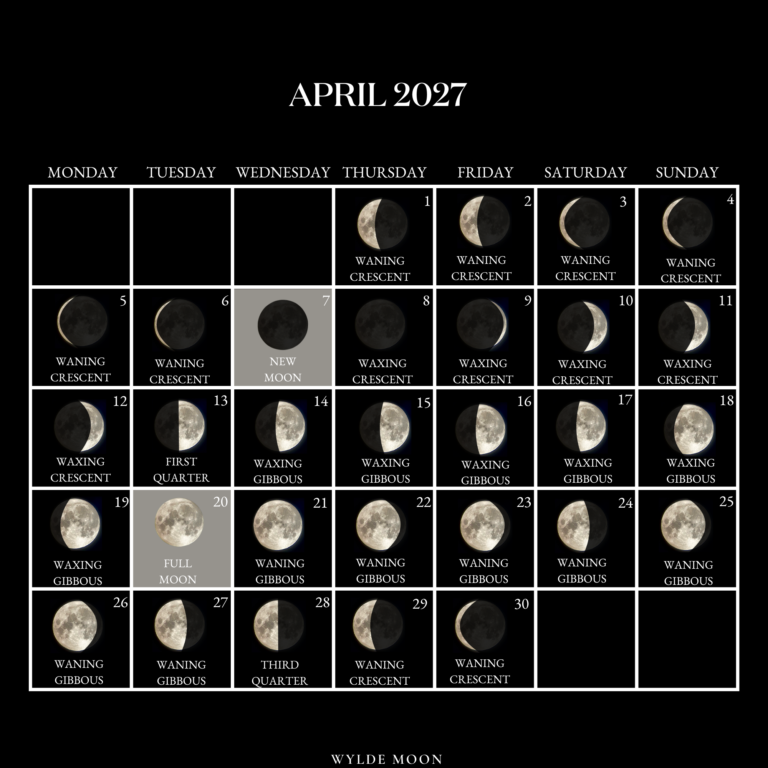
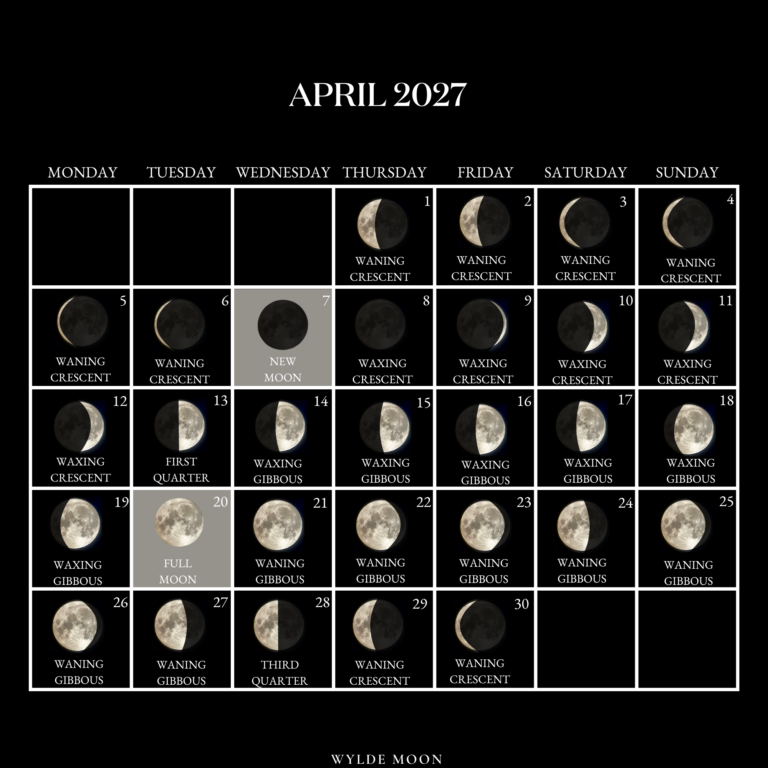
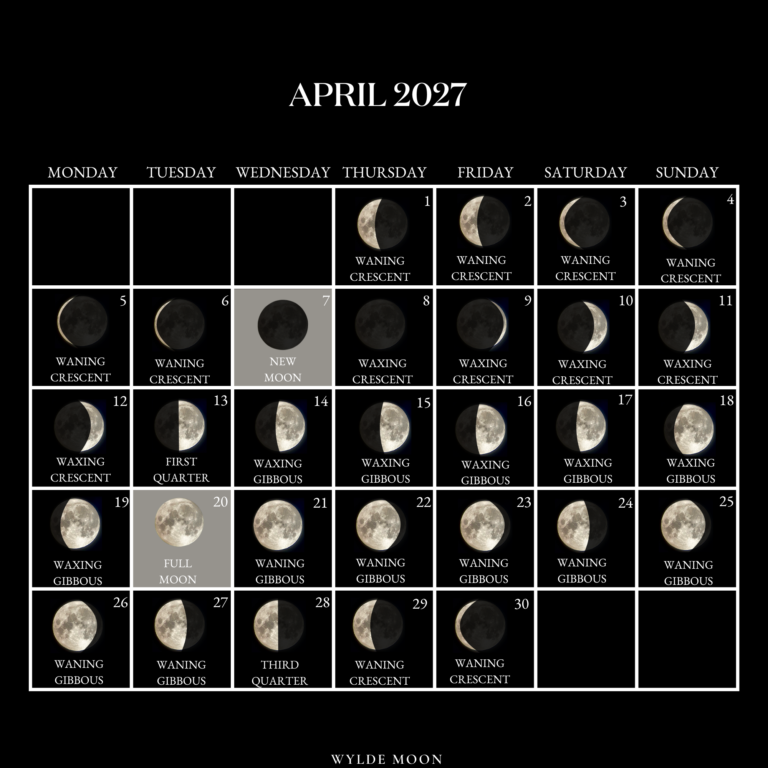
For those planning ahead, you might wonder when exactly the full moon will illuminate the night sky in April 2027 and what significance it might hold. If you’re curious about the specific date and details surrounding this lunar event, you can find comprehensive information by exploring what date will the full moon occur in April 2027 and how it might affect your calendar.
This full brightness lasts a short time, but the moon looks mostly full for several days.

Waning Gibbous transition
After the full moon, the moon moves into the waning gibbous phase. The light slowly fades throughout the week, ending with the third quarter on January 29.
This shrinking light marks the cycle moving toward the next dark new moon.
For a full list of moon phases in 2027, visit Full Moon detailed data.
| Phase | Illumination (%) | Date Range |
|---|---|---|
| Full Moon | 100% | Jan 22, 2027 |
| Waning Gibbous | 99%-51% | Jan 23-28, 2027 |
| Third Quarter | 50% | Jan 29, 2027 |
Watching these moon changes can help people learn about the moon’s cycle and spot patterns in nature.
Lunar Calendar and Observing Tips
January 2027 lunar calendar events
Besides the big full moon on January 22, the month features other interesting lunar events. The new moon starts the month on January 7, followed by the first quarter on January 15.
Observing these phases helps people plan moon views and understand the moon’s role in the year.
For those curious about other moon phases this year, you can compare with a detailed guide to the January 2027 Moon.
Best times to view the full moon
The best time to see the Wolf Moon is right after it rises, just after sunset. The moon hangs low on the horizon and looks very large and orange-red.

The moon stays visible all night, so any time after sunset until before sunrise works to enjoy it.
Clear winter skies often create great viewing conditions.
Observation tips for beginners
If you are new to moon watching, start by checking the local moon rise time. Dress warm and find a clear, dark place outside.
A simple pair of binoculars can make the surface details clearer. Watching the moon over several nights helps you see how it changes shape.
Keep a journal or take photos to track the phases.
For guidance on observing other lunar phases later in the year, explore advice related to the lunar events around September’s new moon.
Similarly, those interested in early year lunar phenomena might enjoy following insights about the March new moon progressions.
For springtime watchers, there is also valuable information related to the April full moon occurrences.
In the fall, one can plan their watches using tips connected to the October new moon timings.
The January full moon in 2027 offers a special chance to connect with nature and history. It lights cold winter nights and carries stories from many cultures. Understanding its timing and phases makes watching it more fun and meaningful.
With the full moon perfectly positioned near Cancer, this night of January 22 will be one to remember for astronomy fans and casual stargazers alike. So bundle up and take a moment to enjoy this glowing sight in the sky.
As you learn more about the moon phases and their meaning, you might find a new appreciation for how nature tells time and holds ancient wisdom.

Keep exploring the night sky and enjoy the wonders the lunar calendar brings year-round.
Frequently Asked Questions
What are the full moon dates for 2027?
In 2027, the full moons occur each month. For example, in January, the full moon happens on January 22. Other months also have their specific full moon dates throughout the year.
Is January 29 a full moon?
No, January 29, 2027, is not a full moon. It is the day of the last quarter moon phase, which is different from the full moon.
Is Jan 22 a full moon?
Yes, January 22, 2027, marks the full moon. It reaches its peak brightness on this day.
What is the most powerful moon phase?
Many experts say the full moon is the most powerful phase. It shows the moon fully lit, and many cultures believe it holds strong energy and meaning.
What does the Wolf Moon mean?
The Wolf Moon name comes from old cultures. It links the full moon in January with wolves howling in the cold winter nights. It holds many stories and cultural meanings.

Philip Kowalski Is A Savvy Web Builder And Local Seo Aficionado Dedicated To Helping Users Navigate The Annual Chaos. With A Unique Flair For Design And Optimization, He Transforms Ideas Into Engaging Digital Experiences. Join Him On A Journey To Elevate Productivity With Expertly Crafted Printables.